Exercise as a Counterbalance: Physical Activity Can Help Break the Patterns of Gambling Addiction
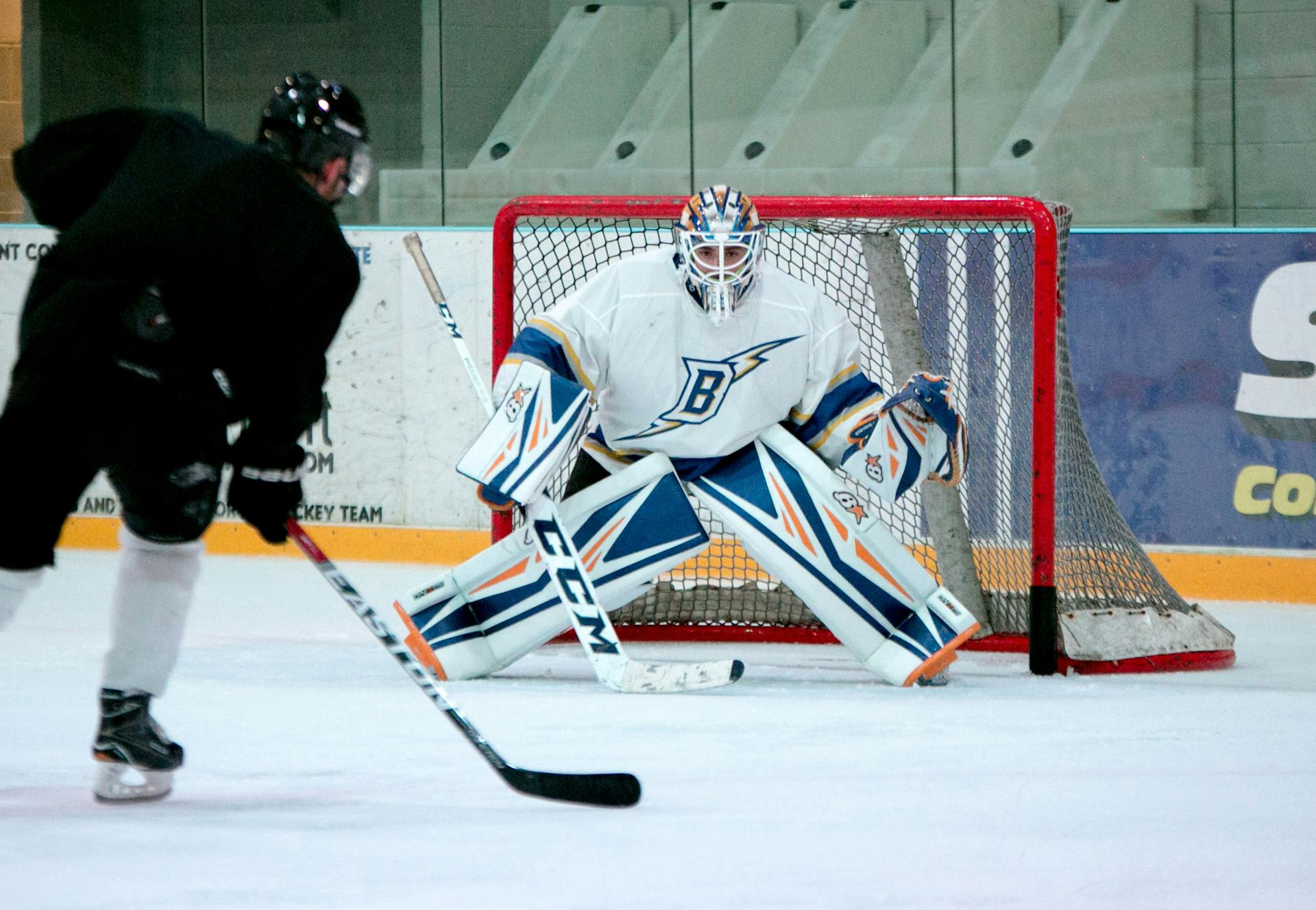
Exercise as a Counterbalance: Physical Activity Can Help Break the Patterns of Gambling Addiction
Gambling addiction is a complex challenge that affects both mind and body. For many, it’s not just about the game itself, but about the emotions and habits tied to it — the thrill, the escape, and the illusion of control. Yet research and experience show that physical activity can play a powerful role in breaking these patterns. Exercise offers mental clarity, structure, and a healthy sense of reward that can help restore balance to life.
The Body as an Ally in Recovery
When dealing with gambling urges, most attention tends to focus on the mind — thoughts, impulses, and emotions. But the body can be a strong ally. Physical activity releases endorphins and dopamine, the same neurotransmitters that gambling stimulates. The difference is that exercise provides a natural, sustainable boost without the losses or guilt that come with gambling.
Even short walks, bike rides, or light strength training can make a noticeable difference. It’s not about becoming an athlete; it’s about using the body as a tool to create calm and focus. Many people find that exercise helps reduce restlessness and cravings by shifting attention away from gambling and into the present moment.
Structure and Routine — Keys to Change
One of the biggest challenges of gambling addiction is the loss of structure. Days and nights can blur together, and time loses its rhythm. Exercise can help rebuild that rhythm. By scheduling regular physical activity — a morning walk, a gym class, or a weekly basketball game — people can reintroduce order and predictability into their lives.
Routine provides stability, which can counteract the impulsivity often linked to addiction. It also builds confidence: every completed workout reinforces the belief that change is possible and that control can be regained.
Exercise as a Mental Release
Many who struggle with gambling describe an inner tension — a restlessness that’s hard to manage. Exercise can serve as a release valve for those emotions. When the body is active, the mind gets a break. A jog can help clear thoughts, or a swim can bring a sense of calm and focus.
Physical activity also helps manage stress and anxiety, which are often intertwined with addiction. Regular exercise lowers levels of the stress hormone cortisol and improves sleep — two factors that make it easier to resist the urge to gamble.
Community and Connection
Gambling addiction often leads to isolation. Many people withdraw from family and friends out of shame or secrecy. Exercise can be a way back to connection. Joining a group class, a running club, or a local recreation league offers opportunities to meet others in a natural, supportive environment — without the focus being on addiction.
These social connections can provide motivation, accountability, and a sense of belonging that’s crucial for recovery. They also help replace old habits with new, healthy social routines that fill the time once spent gambling.
Small Steps, Big Changes
For someone struggling with addiction, the idea of starting to exercise can feel overwhelming — especially when dealing with stress, poor sleep, or low self-esteem. But it doesn’t have to be complicated. A short daily walk, a few stretches at home, or biking to work can be enough to start a positive cycle.
The key is to find a form of movement that feels realistic and meaningful. It’s not about performance; it’s about creating a new rhythm where body and mind work together instead of against each other.
Læs også:

A Path Toward Balance
Exercise alone can’t cure gambling addiction, but it can be a vital part of recovery. Combined with therapy, counseling, and support from loved ones, physical activity can bring energy, hope, and a sense of progress. It’s a way to rediscover the joy of movement — and to feel that change is possible through action.
Taking that first step out the door can be difficult, but every step forward is a step away from addiction and toward a life of greater freedom, strength, and balance.
Læs også: