Playing Style and Pace: How to Analyze Differences Between Basketball Leagues and Tournaments

Playing Style and Pace: How to Analyze Differences Between Basketball Leagues and Tournaments
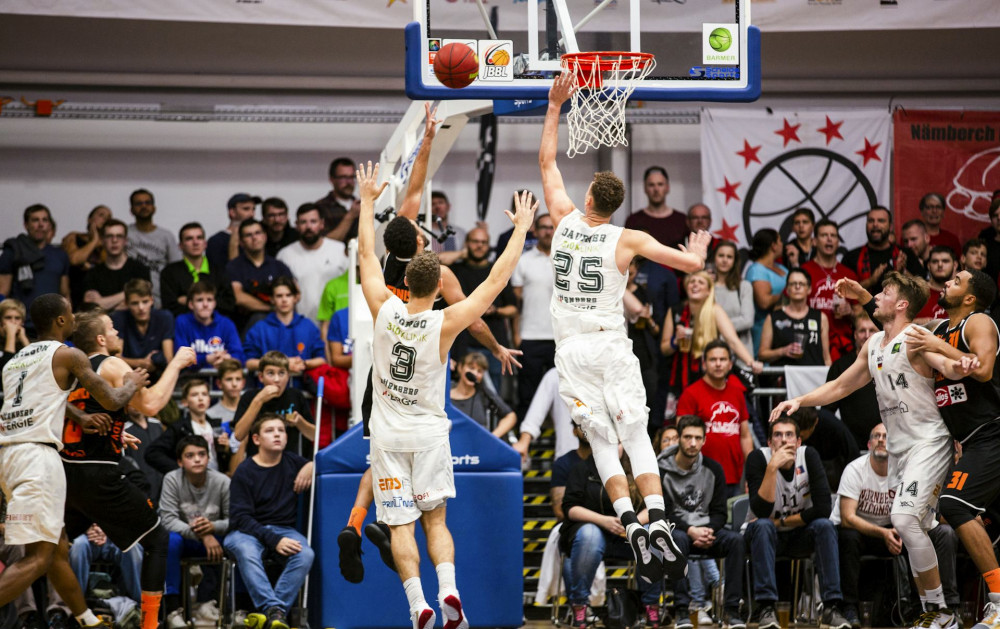
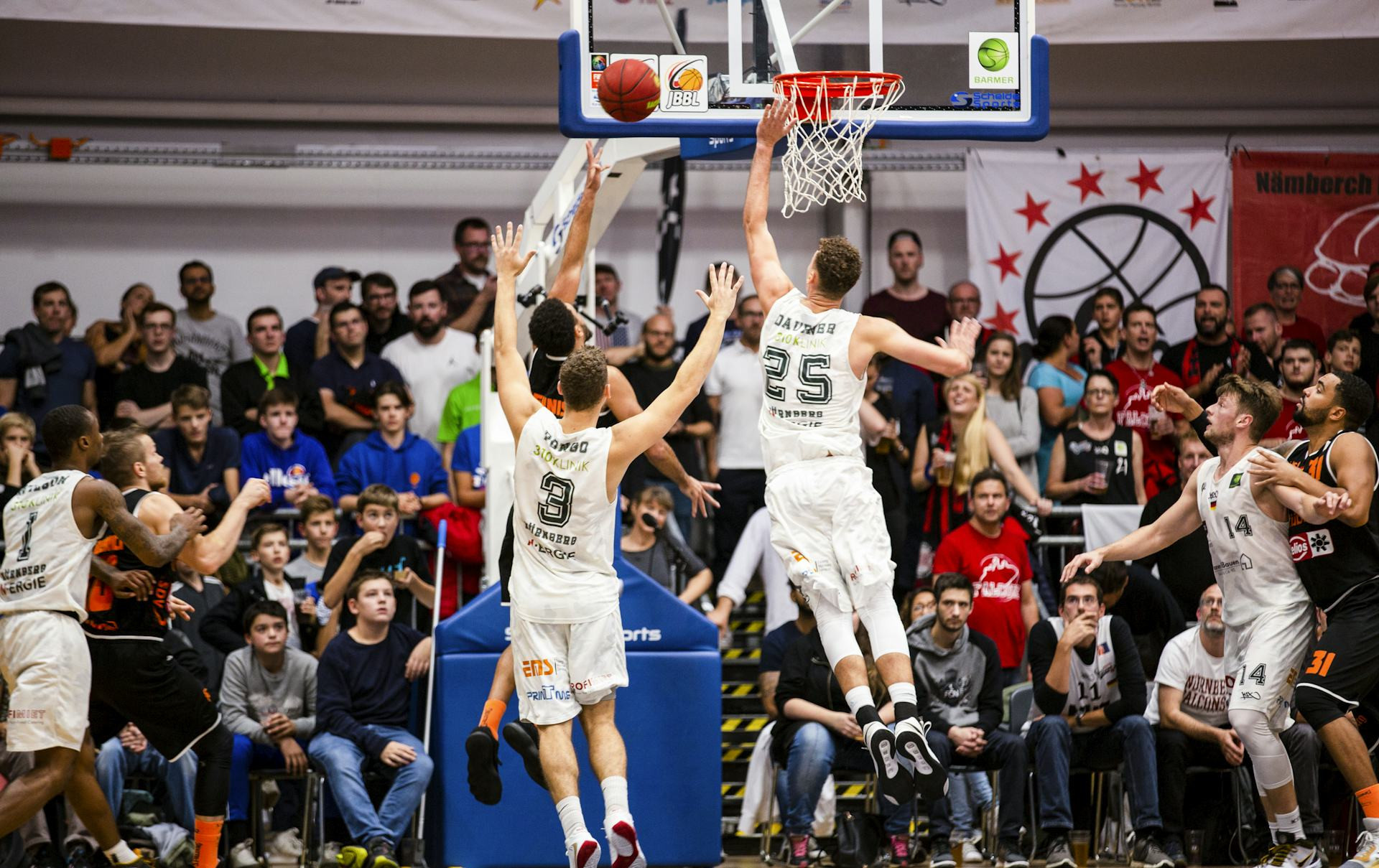
Basketball may be a universal game, but it doesn’t look the same everywhere. Whether you’re watching the NBA, the NCAA, or international competitions like the FIBA World Cup, differences in pace, tactics, and playing style make each league unique. For fans, analysts, or bettors who want to understand the game on a deeper level, learning how to read these differences is essential. Here’s a guide to analyzing playing style and pace across basketball leagues and tournaments.
What Do “Playing Style” and “Pace” Mean?
Playing style refers to how a team—or an entire league—approaches offense and defense. Some teams push the ball up the court and look for quick shots, while others prefer structured half-court sets and deliberate ball movement. Pace is a statistical measure of how many possessions a team uses per game. A high pace means more possessions, more shots, and often higher scores. A slower pace usually indicates a more physical, tactical game.
Understanding these two concepts is the first step toward comparing basketball across different levels and regions.
The NBA: Speed, Space, and Star Power
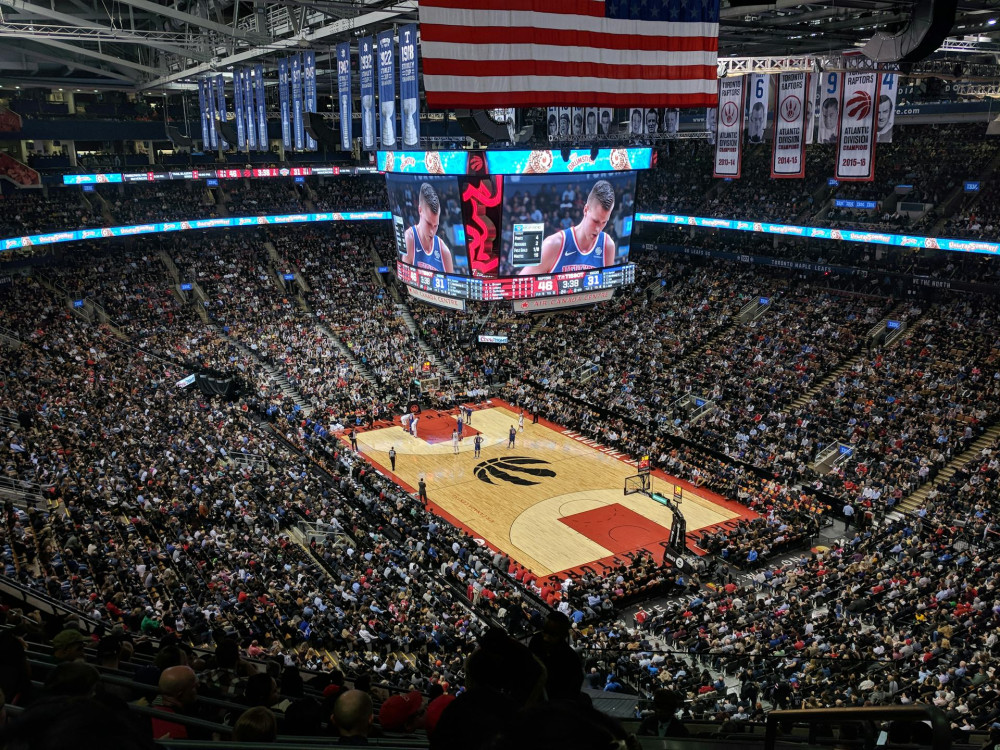
The NBA is known for its fast tempo, athleticism, and emphasis on individual creativity. Games often feature over 100 possessions and high-scoring outcomes. Several factors drive this style:
- A 24-second shot clock, which forces quick decision-making.
- Emphasis on spacing and isolation plays, allowing stars to create one-on-one opportunities.
- A longer three-point line, which stretches defenses and opens driving lanes.
The result is a dynamic, offense-oriented league where athleticism and skill shine. However, the focus on pace and scoring can sometimes come at the expense of defensive structure compared to international play.
Læs også:



NCAA Basketball: Strategy and System Play
College basketball in the United States offers a contrast to the NBA’s free-flowing style. With younger players and shorter games, the NCAA tends to feature more structured offenses and lower scores. Coaches play a central role in dictating tempo and tactics. Key characteristics include:
- Longer offensive sets and more emphasis on team execution.
- Defensive intensity, with many teams relying on zone or press defenses.
- Lower scoring averages, often in the 60s or 70s, due to fewer possessions.
The NCAA’s style rewards discipline and teamwork, making it a valuable developmental stage for players before they enter the faster, more open NBA environment.
International and FIBA Play: Balance and Fundamentals
International basketball, governed by FIBA rules, blends elements of both the NBA and NCAA. The pace is moderate, but the focus on fundamentals, ball movement, and team defense is strong. Some defining traits include:
- Shorter games (40 minutes), which naturally reduce possessions.
- Greater emphasis on collective play, with fewer isolation sets.
- Physical defense and tactical adjustments, especially in tournaments like the Olympics or World Cup.
Because of these differences, NBA players often need to adjust when representing their countries—adapting to tighter officiating, smaller courts, and a more methodical rhythm.
How to Analyze Pace and Style in Practice
If you want to compare leagues or tournaments analytically, combine statistical data with visual observation. Here’s how:
- Check pace metrics – Look at “possessions per game” and “offensive rating” to gauge rhythm and efficiency.
- Study shot distribution – How many three-pointers versus mid-range or paint attempts does a team take?
- Evaluate defensive schemes – Is the team playing man-to-man, zone, or switching on screens?
- Track assists and turnovers – High assist numbers suggest teamwork; high turnovers may indicate a fast but risky style.
- Watch game flow – Observe how quickly teams transition from defense to offense and how often they push the fast break.
By combining numbers with what you see on the court, you can form a more complete picture of how different leagues operate.
Why These Differences Matter
For fans, understanding pace and style enhances appreciation of the game. For analysts and bettors, it can also provide a competitive edge. A high-tempo league like the NBA often leads to higher total scores, while slower, defense-oriented competitions like FIBA tournaments tend to produce lower-scoring games. Teams accustomed to one pace may struggle when forced to play at another, which can influence outcomes in international matchups or preseason exhibitions.
The Many Rhythms of Basketball
Basketball’s beauty lies in its variety. The NBA’s explosive tempo, the NCAA’s tactical discipline, and FIBA’s balanced approach each highlight different aspects of the sport. There’s no single “right” way to play—only different rhythms that reflect the culture and priorities of each competition.
By learning to analyze pace and playing style, you not only deepen your understanding of basketball but also gain insight into how the game evolves across borders, leagues, and generations.
Læs også: