Cross-Disciplinary Knowledge: Build a Stronger Betting Strategy Across Motorsports

Cross-Disciplinary Knowledge: Build a Stronger Betting Strategy Across Motorsports
Motorsport is a world of speed, precision, and strategy — but also of data, psychology, and probability. For American fans who enjoy betting on racing, it can be tempting to focus on a single discipline like Formula 1, NASCAR, or MotoGP. Yet, your betting strategy can become far more robust when you draw insights from multiple motorsport categories. By understanding how different series operate and what factors influence outcomes, you can develop a more nuanced approach — and ultimately make smarter, more informed decisions.
Why Cross-Disciplinary Knowledge Matters
While Formula 1, NASCAR, rally, MotoGP, and endurance racing differ in technology, rules, and culture, they share many underlying principles: tire management, weather adaptation, driver psychology, and team coordination. By analyzing how these elements interact across disciplines, you can uncover patterns that aren’t obvious when you only follow one series.
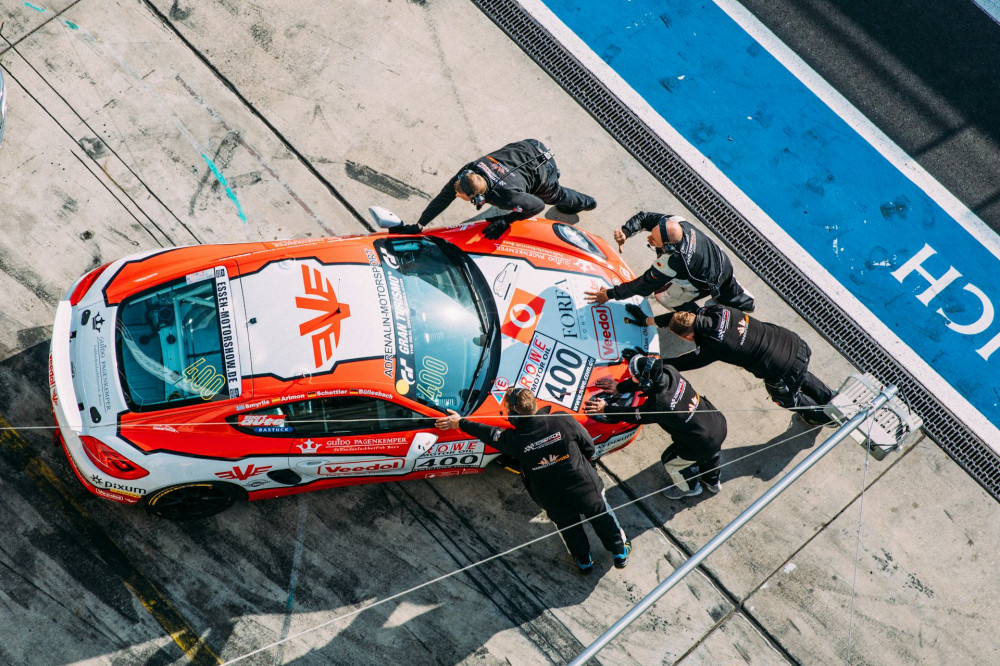
For instance, rally racing teaches how drivers handle unpredictable surfaces — a lesson that can apply to wet or variable track conditions in Formula 1 or MotoGP. Conversely, understanding pit stop timing and tire strategy in Formula 1 can help you evaluate tactical decisions in long-distance events like the 24 Hours of Daytona or Le Mans.
Learn from the Differences — and Use Them
Each motorsport discipline has its own dynamics, and those differences are where valuable insights often hide.
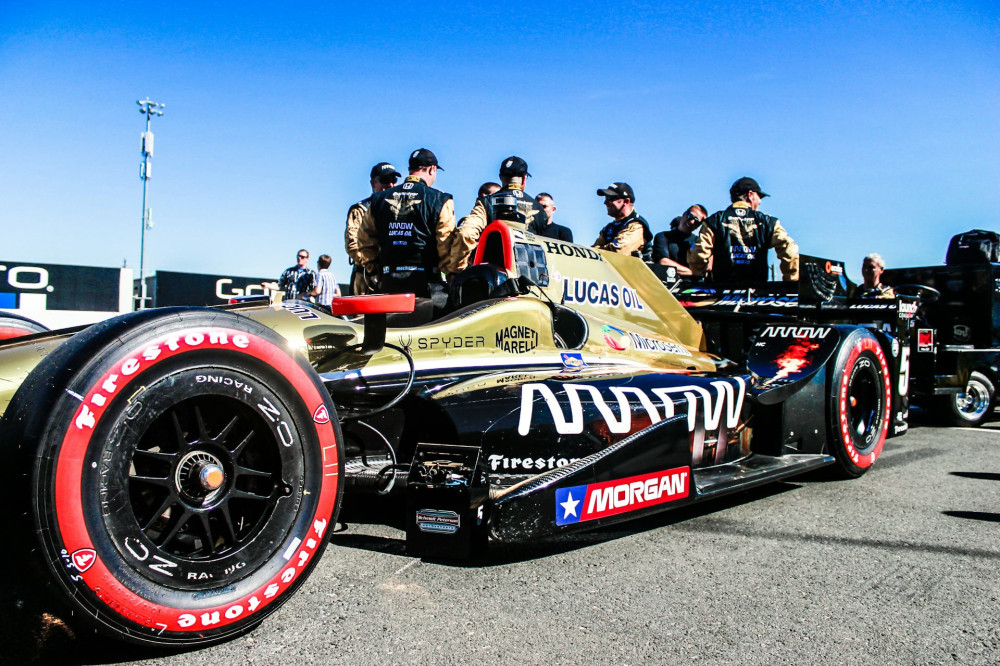
- Formula 1: Aerodynamics, tire strategy, and qualifying position are critical. Data analysis and team performance are central to success.
- NASCAR: Track type, drafting, and pit timing play major roles. Driver consistency and team chemistry often outweigh raw speed.
- Rally: Adaptability to changing terrain and weather is key. Driver experience and risk management are often more decisive than outright pace.
- MotoGP: Tire temperature, grip, and rider fitness are crucial. Mental focus and split-second decision-making can make or break a race.
- Endurance racing: Teamwork, reliability, and fuel efficiency matter most. A steady pace and smart strategy over many hours often beat short bursts of speed.
By comparing how success is achieved in each discipline, you can build a more flexible betting approach — one that accounts for technical, psychological, and contextual factors.
Data and Trends Across Series
Modern betting strategies rely heavily on data, but data only becomes powerful when interpreted correctly. Cross-disciplinary analysis helps you identify broader trends — such as how weather impacts performance or how new technical regulations shift competitive balance.
For example, both Formula 1 and MotoGP have seen major performance swings after tire supplier changes. Recognizing such patterns across series can help you anticipate when the market undervalues certain teams or drivers early in a season.
The Psychology Behind the Driver — An Underrated Factor
Whether it’s a rally driver battling the elements or a NASCAR star under media pressure, the mental side of racing is enormous. Following interviews, social media, and team communications can reveal how a driver handles stress, setbacks, and success.
Drivers who demonstrate composure and confidence across different disciplines often outperform expectations — and that can be a valuable signal when odds don’t fully reflect their potential.
How to Build Your Own Cross-Disciplinary Strategy
Using knowledge across motorsports requires structure and consistency. Here are some steps to get started:
- Follow multiple series actively. Watch races, read analyses, and track statistics from at least two different motorsport categories.
- Identify common factors. Note which conditions tend to favor winners — such as weather, track type, or team experience.
- Test your insights. Start small and see if your cross-disciplinary observations hold up in real-world betting scenarios.
- Keep updating. Motorsport evolves quickly. New rules, technologies, and driver changes can shift dynamics from one season to the next.
By combining technical understanding, psychological insight, and data analysis, you can create a strategy that’s grounded in evidence rather than intuition alone.
Læs også:


A Smarter Path to Better Decisions
Cross-disciplinary knowledge isn’t about mastering every motorsport — it’s about seeing connections where others see separation. When you learn to transfer lessons from one series to another, you gain an edge in a market where many bettors focus too narrowly.
In the end, motorsport betting isn’t just about luck — it’s about understanding. And the broader your understanding, the stronger your strategy becomes.
Læs også: