Data at High Speed: Finding Patterns in How Motorsports Races Evolve Over Time

Data at High Speed: Finding Patterns in How Motorsports Races Evolve Over Time
Motorsports aren’t just about speed and adrenaline—they’re also about data. Behind every race lies a mountain of information: lap times, tire choices, pit stops, weather conditions, and split-second strategic calls. When these data points are analyzed over time, they reveal patterns that tell a deeper story about how the sport evolves—technologically, tactically, and humanly.
From Gut Feeling to Data-Driven Precision
In the early days of racing, mechanics relied on intuition and drivers on instinct. Adjustments were made by ear, by feel, and by experience. Today, sensors and algorithms have taken over much of that role. A modern Formula 1 team collects hundreds of gigabytes of data during a single race—everything from engine temperature to aerodynamic load on each wing.
This shift has transformed how races unfold. Where teams once reacted to what they could see and sense, they now predict what will happen laps in advance. Decisions about pit stops, tire compounds, and fuel strategy are increasingly based on models and probabilities rather than hunches. The result is a sport that’s faster, smarter, and more precise than ever before.
When Data Tells the Story of a Race
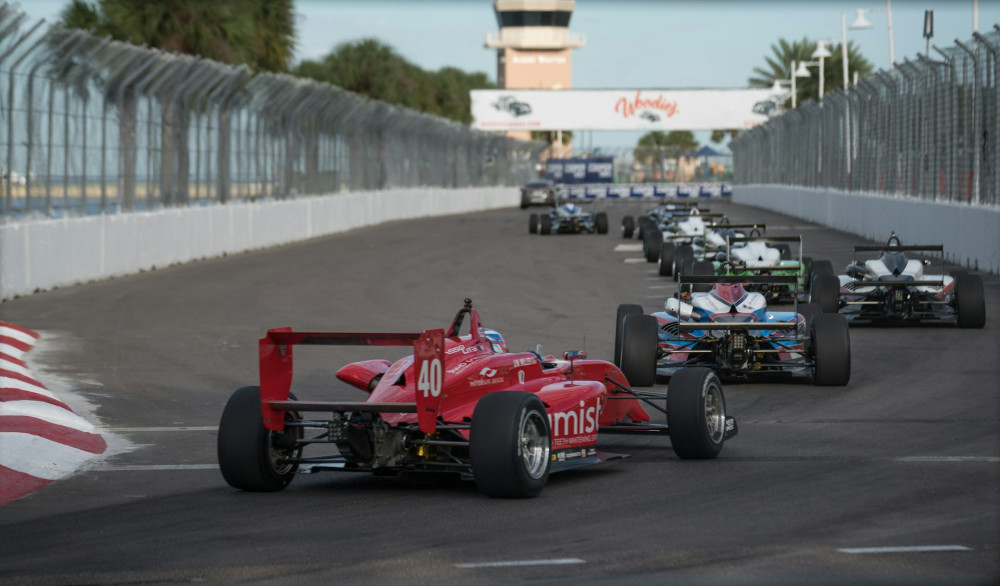
Looking at motorsports data across seasons reveals clear trends. Over the past few decades, races have generally become shorter in duration but more intense in pace. That’s partly due to technological improvements and partly to rule changes designed to make racing more exciting for fans.
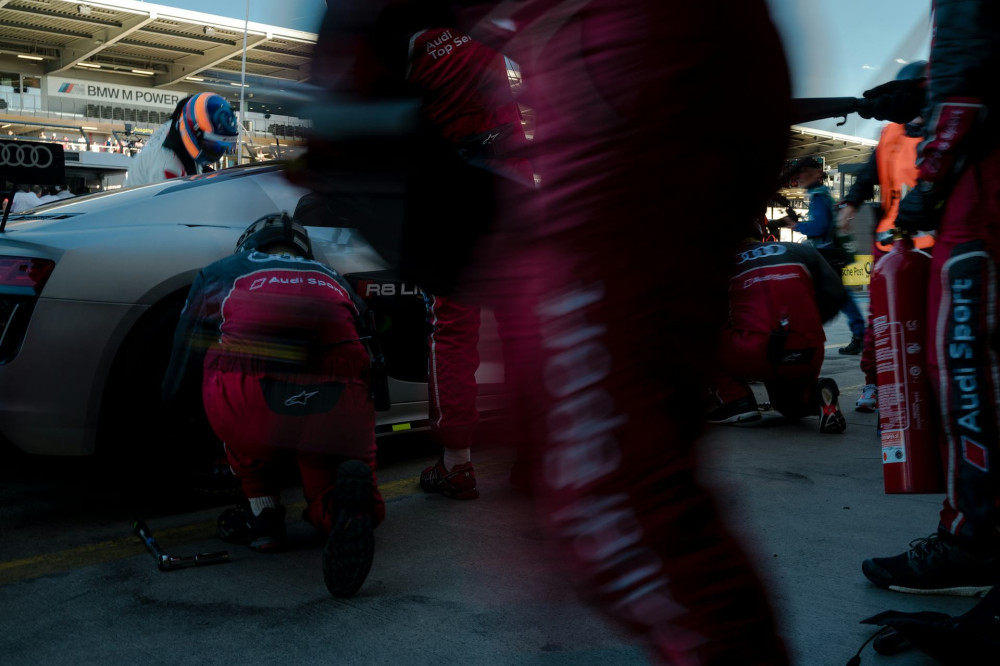
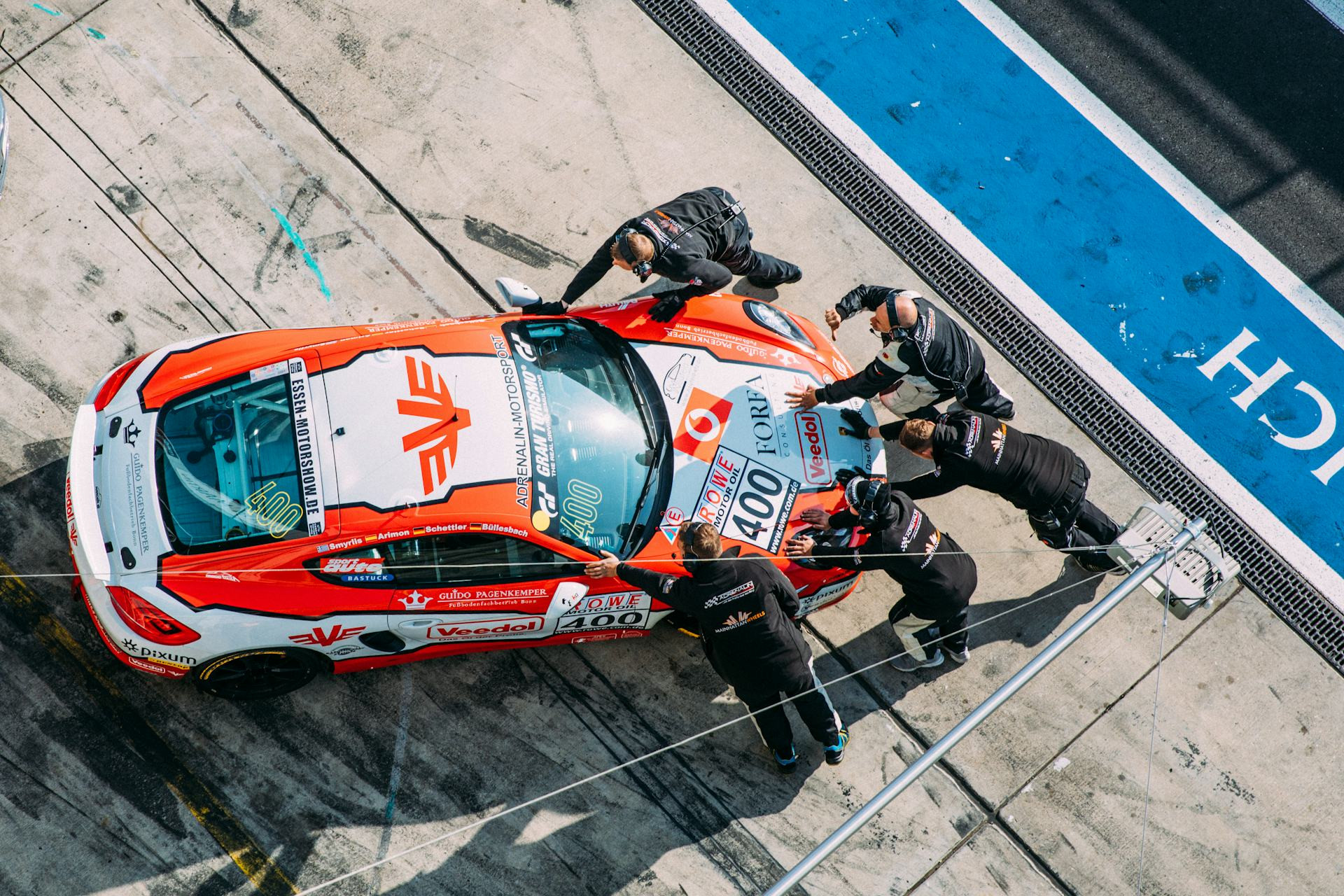
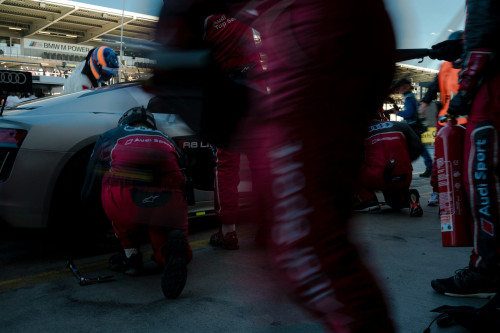
Strategy has evolved as well. In the 1990s, multiple pit stops and varied tire strategies were common. Today, teams often aim to minimize stops to avoid losing time, relying on data to optimize every second—from the moment a car exits the pit lane to the final lap. The margin between victory and defeat can be measured in milliseconds, and data helps teams find those margins.
Weather, Tracks, and Drivers: The Hidden Variables
Even with all the data in the world, motorsports remain unpredictable. A sudden rain shower can upend a race, and a single mistake in a corner can change everything. But that unpredictability is exactly what makes data analysis so fascinating. By comparing races under different conditions, analysts can identify which drivers excel in the rain, or which tracks statistically produce the most overtakes.
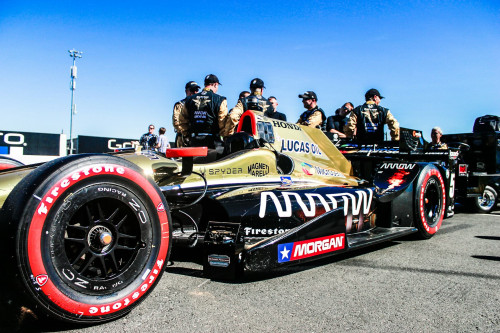
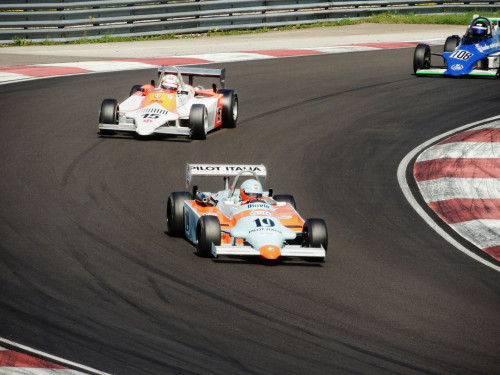
For instance, data from NASCAR and IndyCar show that tracks with long straights and wide turns tend to produce more passing opportunities and closer finishes. That kind of insight helps teams refine their strategies—and helps organizers design races that keep fans on the edge of their seats.
Læs også:
Where Data Meets the Human Element
Despite the rise of analytics, motorsports remain deeply human. Drivers must interpret data in real time, make split-second decisions, and handle the pressure of competition and technology alike. The best drivers are those who can blend intuition with data-driven insight—knowing when to trust the numbers and when to trust their instincts.
It’s in this balance between human and machine that the true evolution of motorsports becomes clear. Data can predict a lot, but not everything. And that’s part of what keeps the sport thrilling—the tension between what can be calculated and what can’t.
The Future: Artificial Intelligence and Virtual Testing
In the years ahead, data analysis in motorsports will only grow more sophisticated. Artificial intelligence is already being used to simulate races and predict strategies, while virtual test tracks allow teams to experiment with setups without turning a single real-world lap. Success will increasingly depend on who can best harness data—not just on the track, but behind the screens.
Yet no matter how advanced the technology becomes, motorsports will always be about more than numbers. It’s about courage, timing, and the pursuit of the limit—and sometimes, the willingness to go beyond it. Data can guide the way, but it’s still the human behind the wheel who makes the difference.
Læs også: