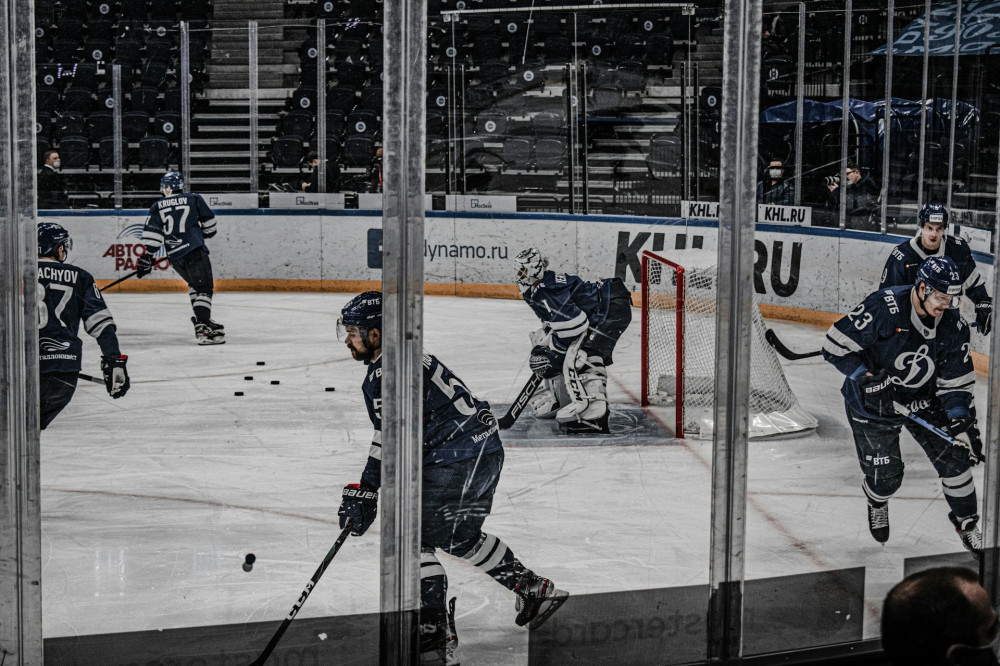
Injuries and Lineup Changes: How They Affect Your Hockey Betting Analysis

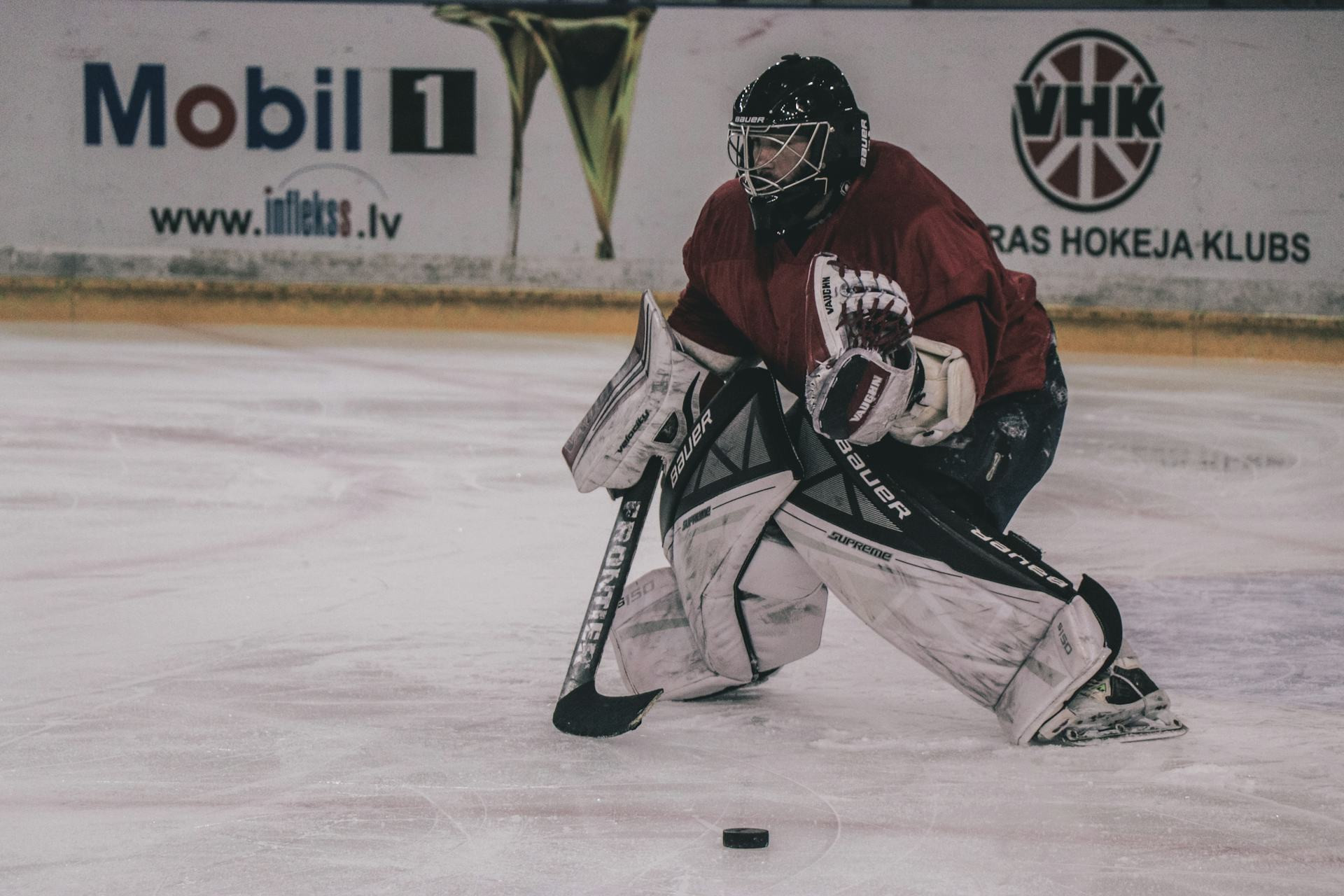
Injuries and Lineup Changes: How They Affect Your Hockey Betting Analysis
When you’re betting on hockey, even small lineup changes can have a big impact on how a game plays out. A star forward missing time, a goalie getting a rest, or a new player trying to find chemistry with his linemates—all of these factors can shift the balance on the ice. For bettors who want to evaluate odds and probabilities accurately, understanding how injuries and lineup changes influence performance is essential.
Injuries – More Than Just Absences
Hockey is a fast, physical sport, and injuries are part of the game. But not all injuries carry the same weight. Losing a top-line center or a starting goaltender can completely change a team’s structure, while a depth player’s absence might barely move the needle.
- Key players and positions: A first-line forward or a number-one goalie often drives both offensive production and defensive stability. Their absence can ripple through every shift.
- Team depth: Deep teams can absorb injuries better. Clubs with strong third and fourth lines—or prospects ready to step up—tend to maintain consistency even when stars are sidelined.
- Timing: The schedule matters. An injury during a packed road trip can be more damaging than one before a long homestand, when coaches have time to adjust.
When analyzing a team, don’t just note who’s out—look at how the team has handled similar situations in the past. Some organizations are built to adapt; others struggle when their lineup is disrupted.
Lineup Changes and New Additions
Trades, call-ups, and new signings can all shake up a roster. While a new player might eventually strengthen a team, the short-term effects can be unpredictable. Chemistry takes time, and early growing pains can influence results.
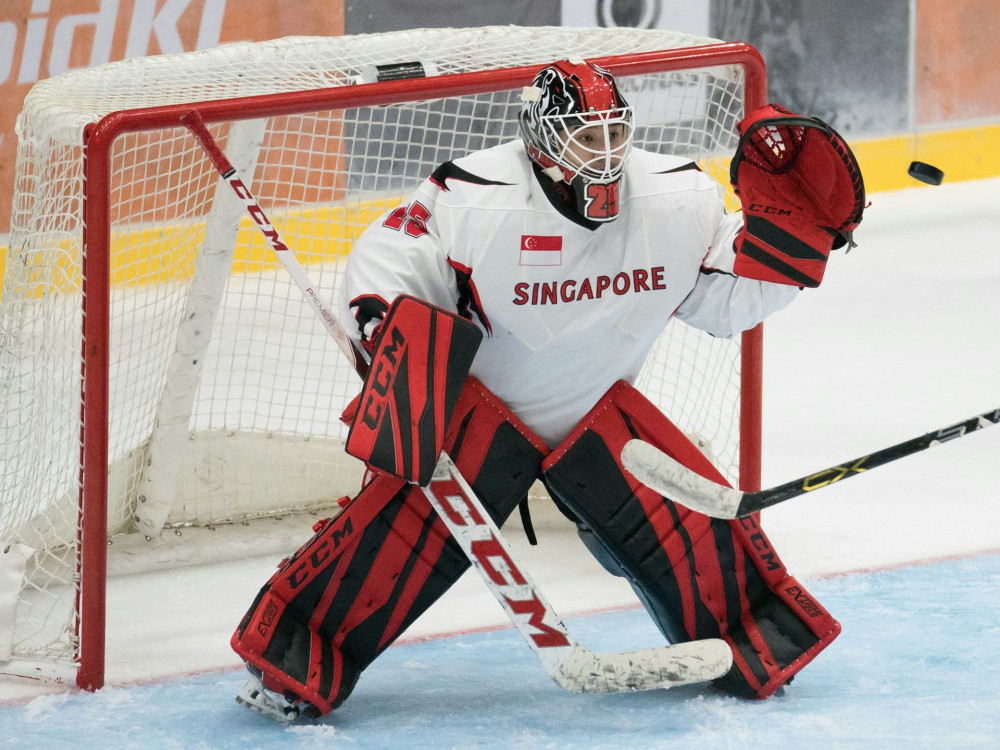
- Goaltenders: A goalie change can alter a team’s entire confidence level. Sometimes a new netminder provides a spark; other times, it unsettles the defense.
- New skaters: Whether it’s a trade deadline acquisition or a rookie debut, new players need to learn the system and build trust with teammates. That adjustment period can affect performance.
- Coaching changes: A new coach isn’t a lineup change per se, but it can have a similar effect. A fresh system or new motivational style can lead to a short-term boost—or confusion on the ice.
As a bettor, it’s worth tracking how teams respond to these transitions. Stats tell part of the story, but watching games and reading postgame quotes can reveal the subtler dynamics that numbers miss.
Team Chemistry and Momentum
Hockey is built on rhythm and chemistry. When a key player goes down or a new one joins, that balance can be disrupted. Teams on a hot streak often find ways to compensate, while those already struggling may unravel further.
Momentum is a powerful factor. A team riding a winning streak might maintain confidence even without a star player. Conversely, a team in a slump could see its problems magnified by even a minor injury. Understanding where a team stands emotionally and mentally can help you interpret how lineup changes will play out on the scoreboard.
Stats and Context – Use Data Wisely
Modern hockey betting isn’t just about gut feeling. Advanced metrics like expected goals (xG), shot attempts (Corsi), and special teams efficiency can give you an objective view of team strength. But data always needs context.
A sudden dip in possession numbers might be tied to a missing defenseman who usually drives the breakout. A spike in goals allowed could reflect a backup goalie still finding his rhythm. By combining statistical analysis with awareness of injuries and lineup shifts, you can form a more realistic picture of what to expect.
Læs også:

Staying Informed
To evaluate injuries and lineup changes effectively, you need reliable, up-to-date information:
- Official team reports – for confirmed injury updates and starting lineups.
- Local beat reporters and insiders – often the first to notice changes in practice lines or player availability.
- Analytics sites and betting communities – useful for comparing data trends and market reactions.
By cross-referencing multiple sources, you can spot value before the odds adjust—turning information into opportunity.
Conclusion: Preparation Creates an Edge
Injuries and lineup changes are an unavoidable part of hockey, but for sharp bettors, they’re also a source of insight. By understanding how these factors affect team structure, chemistry, and momentum, you can make more accurate assessments and find hidden value in the odds. In a sport defined by speed and unpredictability, preparation and attention to detail can be the difference between guessing—and gaining an edge.
Læs også: