Power Play and Penalty Kill – Tactical Key Factors That Decide the Outcome of the Game

Power Play and Penalty Kill – Tactical Key Factors That Decide the Outcome of the Game
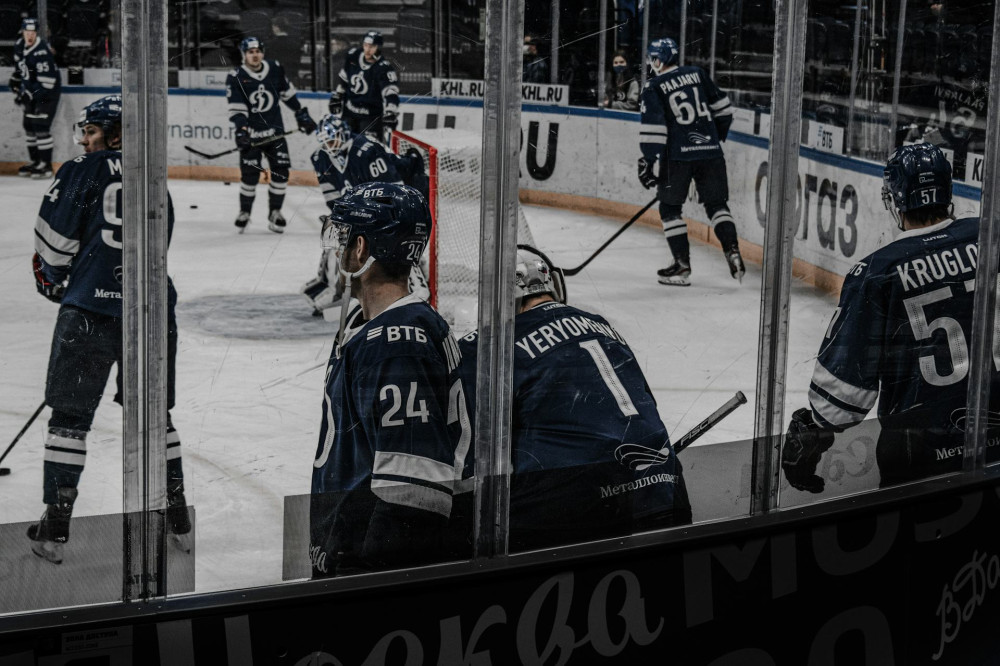
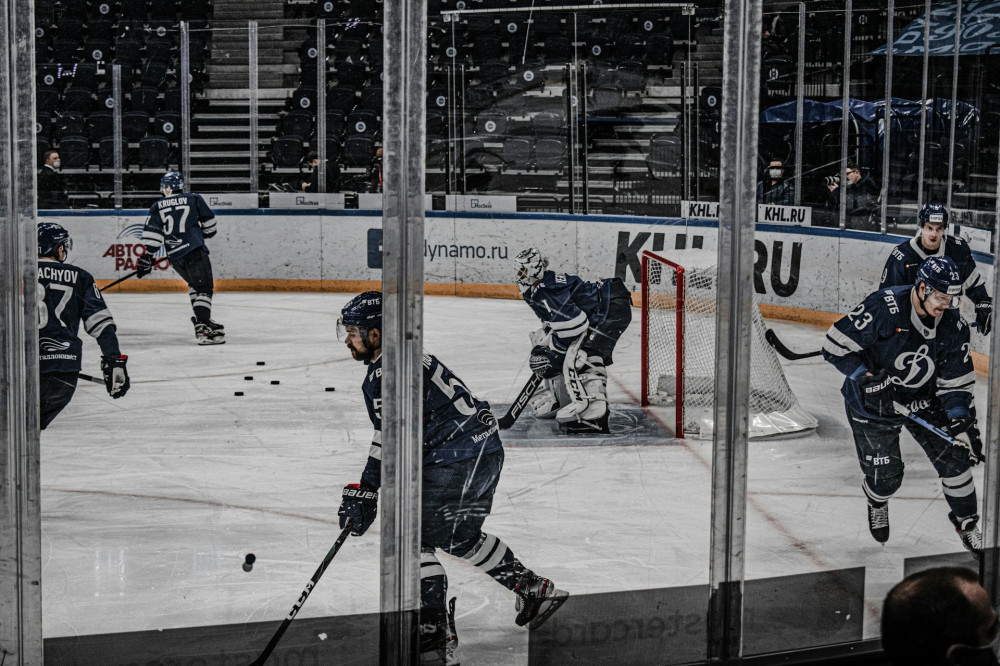
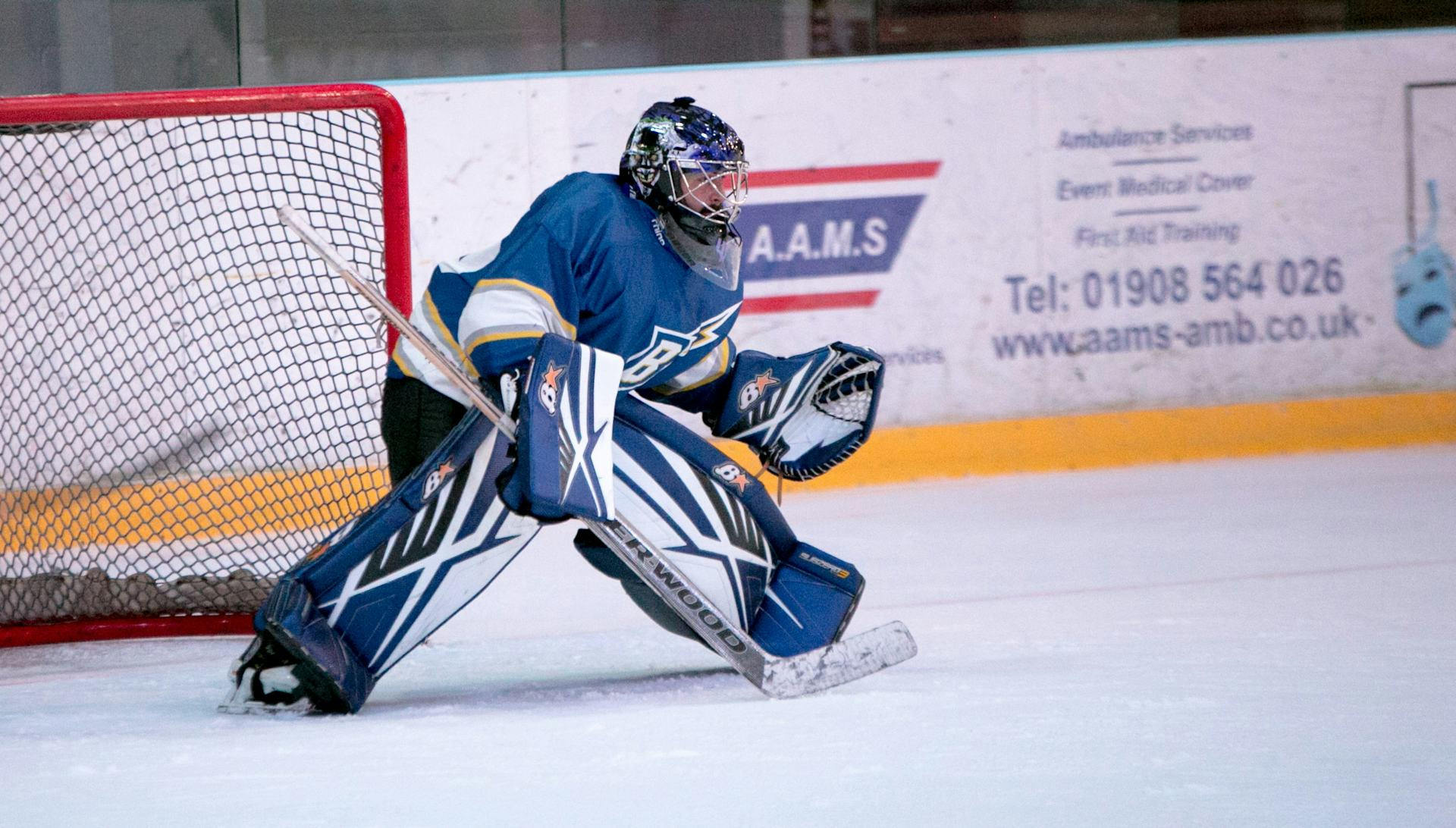
Hockey is a sport of speed, strength, and emotion – but also of strategy. Behind the thunderous hits and lightning-fast shots lies a tactical chess match where small details can determine who leaves the ice victorious. Two of the most decisive elements are the power play and the penalty kill – situations where teams play with an uneven number of skaters. In these moments, discipline, communication, and preparation are put to the ultimate test.
Power Play – Turning Opportunity into Goals
A power play occurs when the opposing team takes a penalty, giving your team a man advantage. It’s a golden opportunity to score, but it demands patience, precision, and structure.
The best power play units operate like a well-oiled machine. Players move constantly to create passing lanes, while the puck is cycled quickly to pull the defenders’ box out of position. The key is finding the right balance between puck movement and shot selection – too many passes can kill momentum, while rushed shots rarely find the back of the net.
An effective power play is built on defined roles. One player screens the goalie, obstructing vision and creating chaos in front of the crease. Another acts as the “quarterback” at the blue line, directing traffic and setting up plays. Communication and timing are everything – one mistimed pass can send the puck down the ice and waste precious seconds.
Penalty Kill – The Art of Surviving Short-Handed
When your team takes a penalty, the focus shifts from attack to survival. A strong penalty kill can be just as valuable as a lethal power play. It’s about protecting the net, blocking shots, and forcing the opponent into low-percentage plays.
Most teams rely on compact formations – often a box or diamond – to keep attackers away from the dangerous areas in front of the net. Skaters must read the play, close passing lanes, and be willing to sacrifice their bodies to block shots.
A great penalty kill also requires controlled aggression. When the opportunity arises, players must pressure the puck carrier and even look for short-handed scoring chances. Some of the league’s best penalty-killing units are known for turning defense into offense, proving that courage and discipline can coexist.
Læs også:
The Battle for Momentum
Power plays and penalty kills aren’t just about goals – they’re about momentum. A failed power play can deflate a team and energize the opponent, while a successful penalty kill can swing the crowd and shift the game’s rhythm.
Coaches often refer to these moments as “special teams battles.” Statistics consistently show that teams winning the special teams matchup – scoring more on the power play and conceding less while short-handed – are far more likely to win the game. That’s why hours of video analysis go into studying opponents’ tendencies and fine-tuning formations down to the smallest detail.
Preparation and Mental Strength
Behind every power play and penalty kill lies a mental component. Players must handle pressure, especially in tight games where a single goal can decide the outcome.
A power play demands confidence and patience – the ability to hold the puck, wait for the perfect opening, and trust the system. A penalty kill, on the other hand, requires grit and selflessness – the willingness to block shots, battle in the corners, and rely on teammates to cover every inch of ice.
Teams that master both aspects demonstrate not only technical skill but also mental toughness. It’s often the difference between a good team and a championship-caliber one.
Small Margins, Big Consequences
Hockey is a game of inches. One power play goal can change the entire flow of a game, and one heroic penalty kill can save a team from defeat. That’s why special teams are a cornerstone of every coach’s strategy.
When you watch a team execute a crisp power play or survive a penalty kill with relentless effort, you’re seeing the essence of modern hockey: speed, intelligence, and teamwork. It’s in these moments – when the game is on the line and every decision matters – that the true outcome of the battle on ice is decided.
Læs også: