Major Races and Traditions: Horse Racing as a Gathering Point for Culture and Community

Major Races and Traditions: Horse Racing as a Gathering Point for Culture and Community
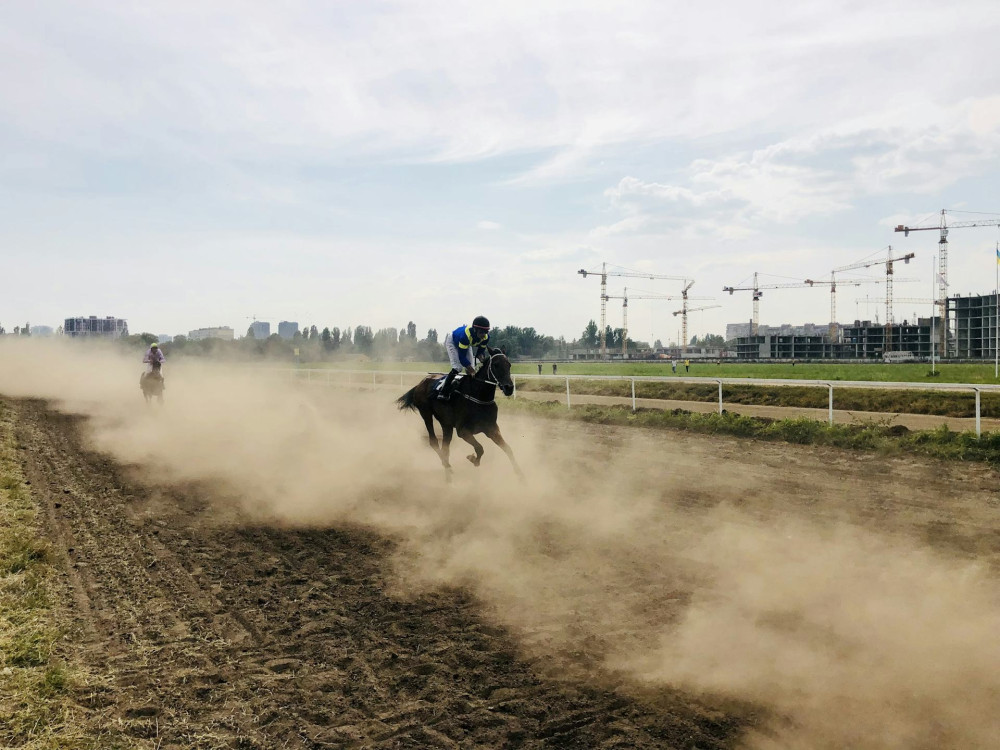
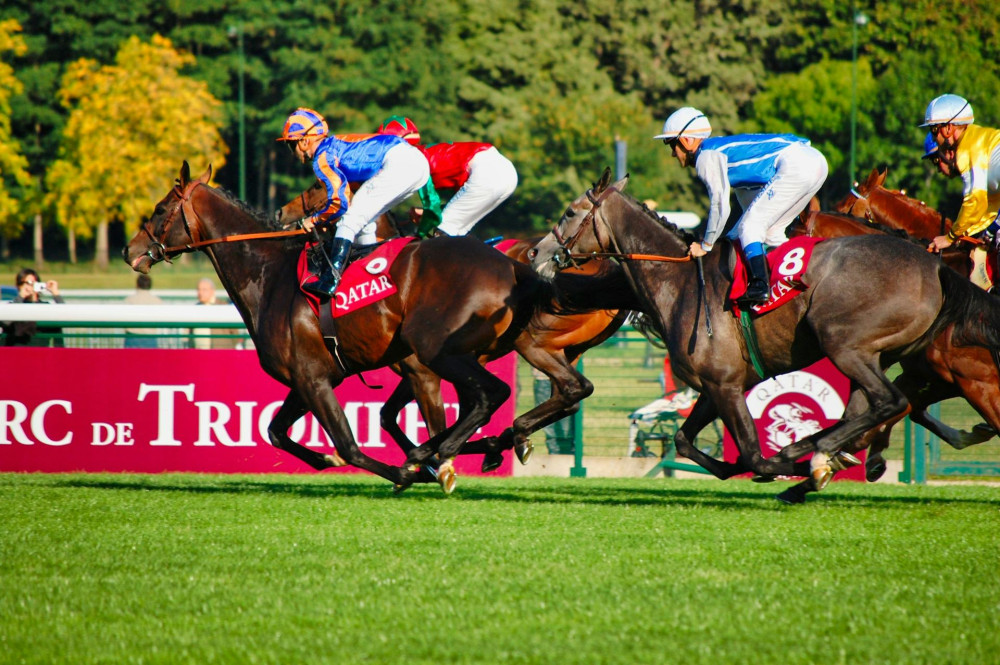
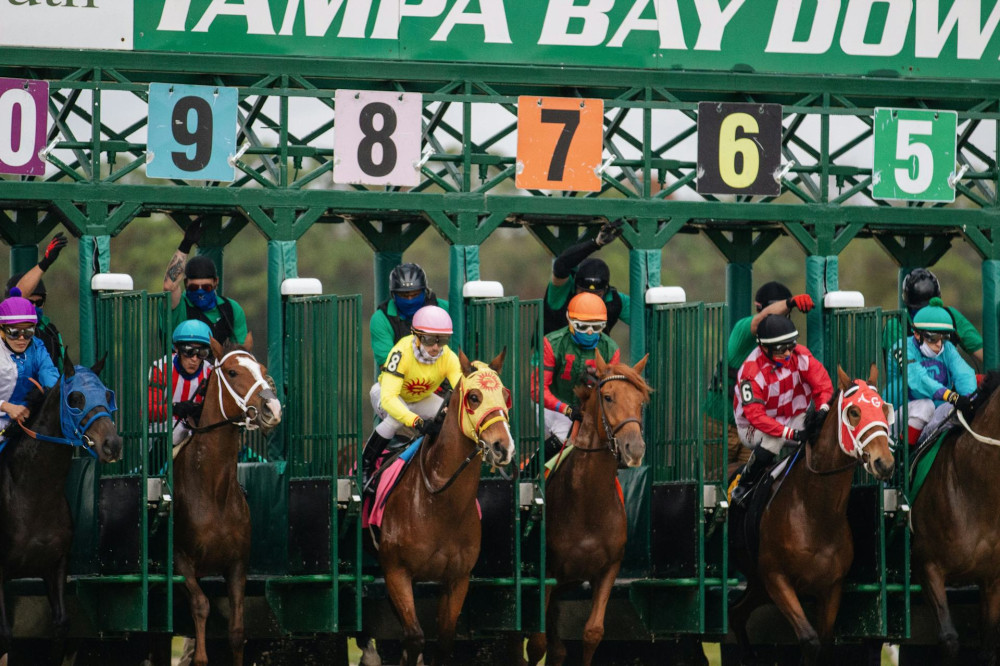
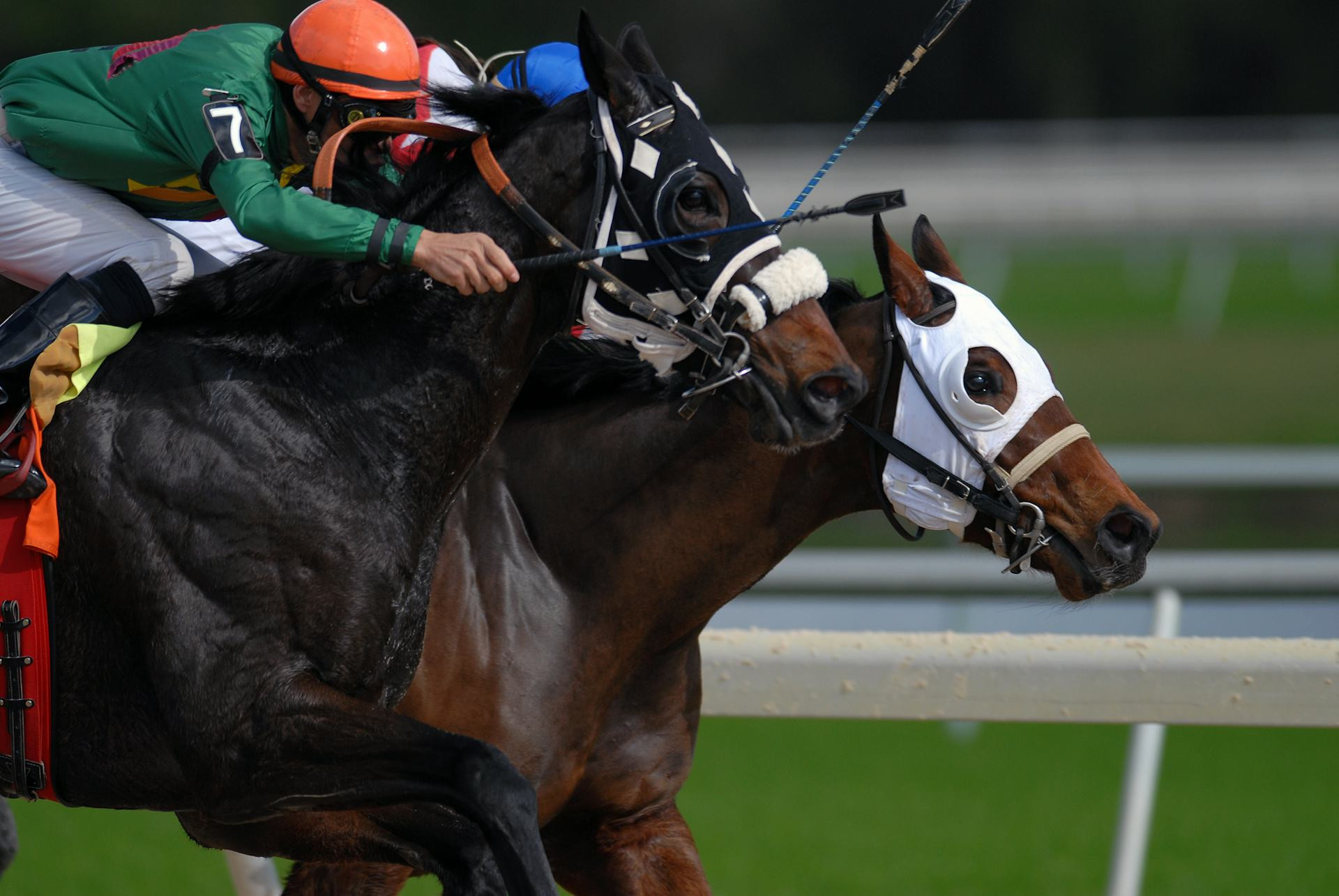
When thousands of spectators fill the grandstands and the thunder of hooves echoes across the track, it’s not just about who crosses the finish line first. Horse racing in the United States is a sport steeped in history and tradition—a place where competition, community, and the admiration of the horse’s power and grace come together. From the grandeur of the Kentucky Derby to small-town county fairs, racing is more than a sport; it’s a social event that brings people together across generations.
A Sport with Deep American Roots
Horse racing has been part of American life since colonial times. The first recorded race took place in the 1600s on Long Island, and by the 19th century, racetracks had become fixtures in cities and towns across the country. Over time, the sport evolved into a professional industry with breeders, trainers, jockeys, and owners all contributing to a vibrant racing culture.
The major races—the Kentucky Derby, the Preakness Stakes, and the Belmont Stakes—form the Triple Crown, a series that captures national attention each spring. These events are not only athletic contests but also cultural celebrations. The Kentucky Derby, for instance, is as famous for its mint juleps, elaborate hats, and Southern hospitality as it is for the two minutes of racing that define it.
Community and Connection
One of the most enduring qualities of horse racing is its ability to bring people together. On race day, you’ll find seasoned bettors studying the form guide alongside families enjoying picnics in the infield. Many racetracks have made efforts to create a welcoming atmosphere for all ages, offering live music, food festivals, and family-friendly activities alongside the races.
For those who work within the sport—trainers, jockeys, grooms, and owners—the sense of community runs even deeper. The daily rhythm of caring for horses, the shared triumphs and disappointments, and the mutual respect for the animals create strong bonds. Behind every racehorse is a team united by dedication, patience, and passion.
Traditions That Endure
Even as the sport modernizes, tradition remains at its heart. Each major race has its own rituals: the singing of “My Old Kentucky Home” before the Derby, the blanket of black-eyed Susans draped over the Preakness winner, and the white carnations that crown the Belmont champion. These customs connect today’s fans to generations past, preserving a sense of continuity and pride.
Fashion, too, plays a role in maintaining the sport’s heritage. At many tracks, spectators dress in their finest—colorful dresses, bow ties, and wide-brimmed hats—turning the stands into a celebration of style and elegance. It’s a nod to the sport’s aristocratic origins and a reminder that horse racing has always been as much about spectacle as sport.
Horse Racing as Experience and Entertainment
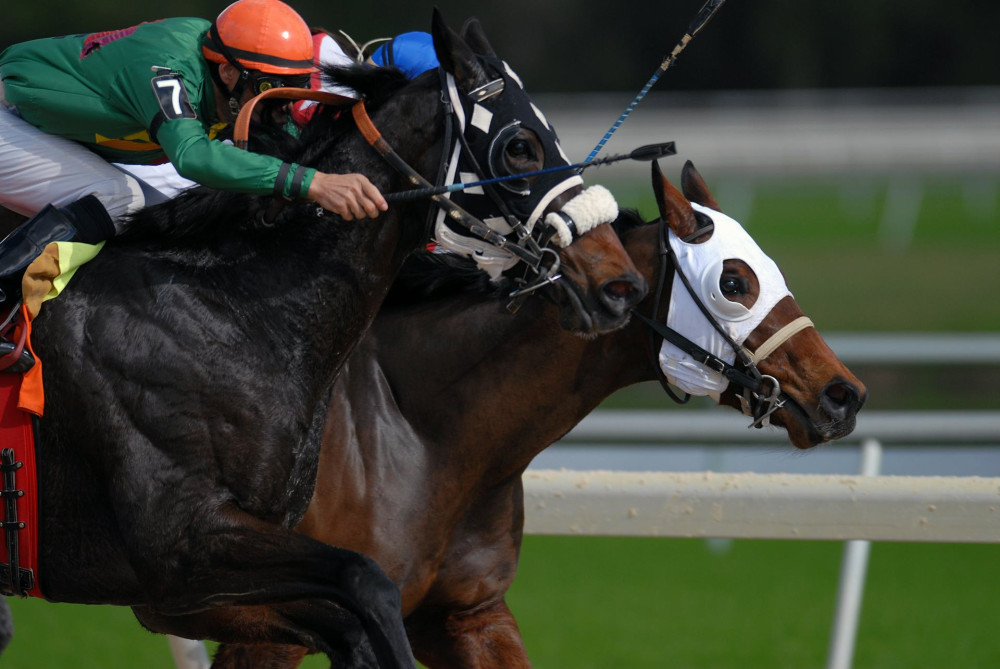
In the modern era, horse racing has embraced new ways to engage audiences. Many tracks host concerts, food truck festivals, and themed race days that blend sport with entertainment. Digital platforms now allow fans to watch live races, place bets online, and follow their favorite horses and jockeys in real time. Yet, despite these innovations, nothing compares to the thrill of being there in person—feeling the ground tremble as the horses charge down the stretch and hearing the crowd erupt as the winner crosses the line.
Læs også:
A Living Cultural Tradition
Horse racing remains a living part of American culture—a tradition that bridges past and present. It’s a sport where competition and camaraderie coexist, where the beauty and strength of the horse continue to inspire awe. Whether you come for the excitement, the pageantry, or simply the shared experience, horse racing offers a glimpse into a world where history, community, and celebration still run side by side.
In every race, from the smallest local meet to the grandest national event, the spirit of tradition gallops on—reminding us that some gatherings endure not just because of the sport itself, but because of the people and stories that surround it.
Læs også: