When the Odds Shift: What Market Movements Reveal

When the Odds Shift: What Market Movements Reveal
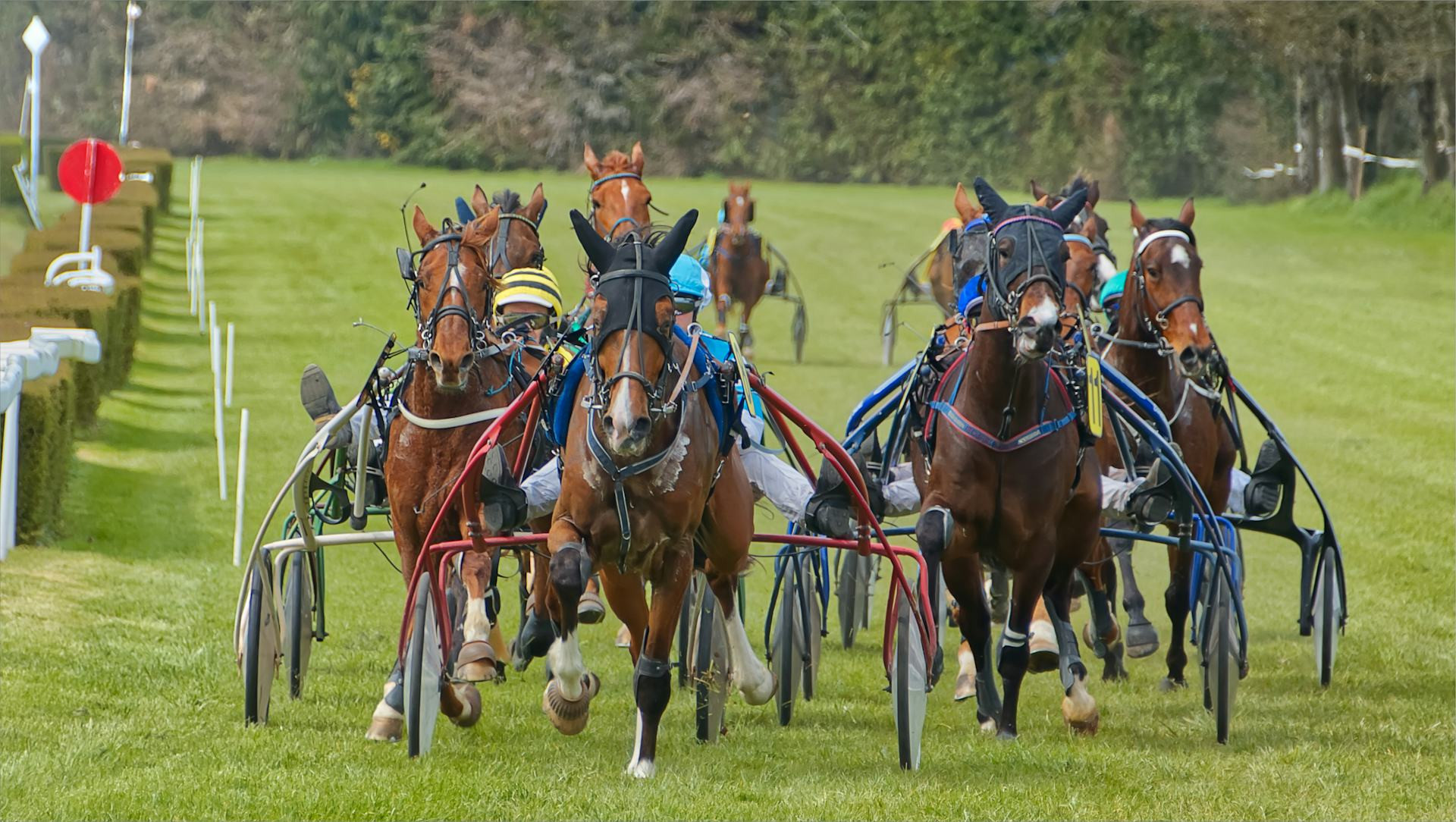
Anyone who follows horse racing closely knows that odds rarely stay still. From the moment the entries are announced until the horses line up at the gate, the market can change dramatically. A longshot in the morning can become a crowd favorite by post time, while an early favorite might lose support. But what exactly causes these shifts in odds—and what can market movements tell us about the dynamics of a race?
The Market as a Mirror of Expectations
The betting market acts as a living barometer of public and expert sentiment. When many bettors put money on a particular horse, the odds shorten because the market adjusts to the flow of wagers. This means that changes in odds reflect not only statistical probabilities but also emotions, rumors, and new information.
A drop in odds can signal that fresh insight has emerged—perhaps a trainer has reported strong form, or the track conditions favor a certain running style. Conversely, rising odds may indicate waning confidence, maybe due to a weather change or a rival horse showing unexpected strength in the paddock.
The Speed of Information
In today’s digital age, information moves faster than ever. Social media updates, trainer interviews, and even whispers from the backstretch can shift market sentiment within minutes. A small detail—like a change in jockey or equipment—can have a big impact on how bettors perceive a horse’s chances.
For the attentive bettor, success often depends not just on knowing the horses but on understanding how information flows. Those who react quickly to credible news can sometimes find value before the market fully adjusts.
When the Market Overreacts
While the market is generally efficient, it can also overreact. A popular horse with a strong fan base might be bet down below its true value simply because of name recognition or a charismatic trainer. This creates opportunities where the odds no longer reflect the actual winning probability—and where patient bettors can find value in overlooked contenders.
A classic example occurs when a horse wins impressively in a lower-level race and is then overestimated in its next start. The market remembers the victory but forgets the context: the competition, the pace, and the track conditions. A clear-eyed analysis can reveal when enthusiasm has gone too far.
Læs også:

Where Statistics Meet Psychology
Market movements are not just about numbers—they’re also about human behavior. Bettors are influenced by trends, emotions, and herd mentality. When many people start backing the same horse, others often follow—not necessarily because they’ve done the analysis, but because they don’t want to miss out on what seems like a “sure thing.”
This psychological layer makes the market both fascinating and unpredictable. For the analytical bettor, it’s a reminder that odds are not truth—they’re the sum of everyone’s perceptions at a given moment.
What You Can Learn from the Shifts
Even if you’re not an active bettor, tracking market movements can offer valuable insight. They reveal where confidence lies and how sentiment evolves leading up to a race. By comparing odds changes with actual results, you can gradually learn which signals matter—and which are just noise.
A practical tip is to keep a simple log of your observations: note when odds moved and why. Over time, patterns will emerge that help you understand when the market is right—and when it’s not.
The Market as a Story
Ultimately, market movements tell a story of expectations, hopes, and judgments. Every shift in odds is a small chapter in the narrative of a race, where horses, trainers, and bettors all play their part. Understanding that story requires both analysis and intuition—and that’s what makes horse racing so captivating.
When the odds shift, it’s not just a number that changes. It’s a reflection of how knowledge, emotion, and strategy intertwine in a dynamic game where nothing is certain until the finish line is crossed.
Læs også: