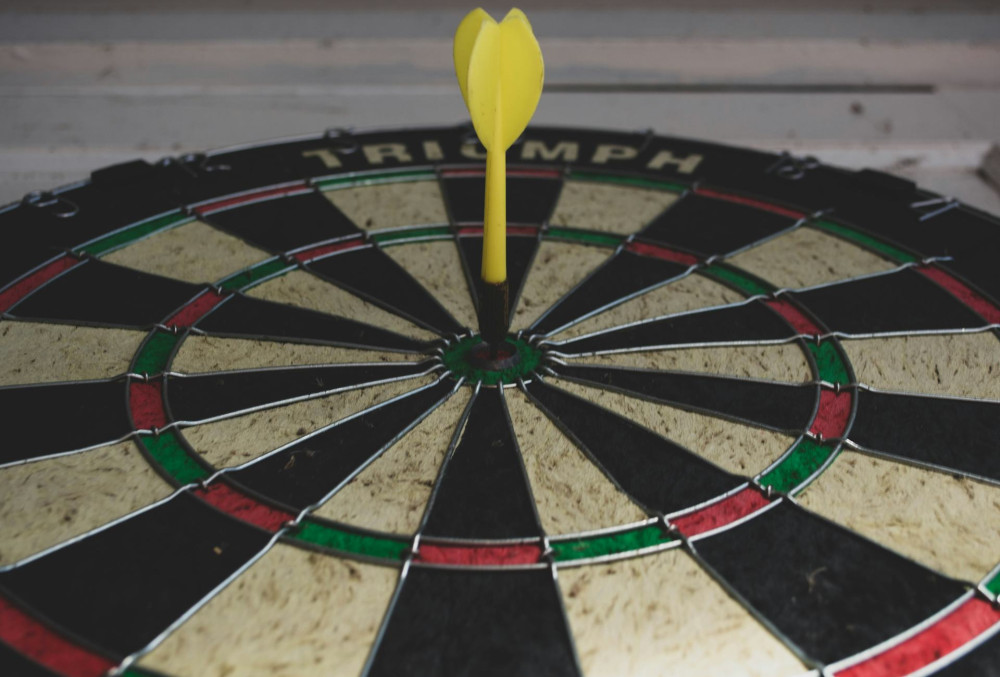
Practice Makes Perfect: Muscle Memory as the Key to Precise Dart Technique

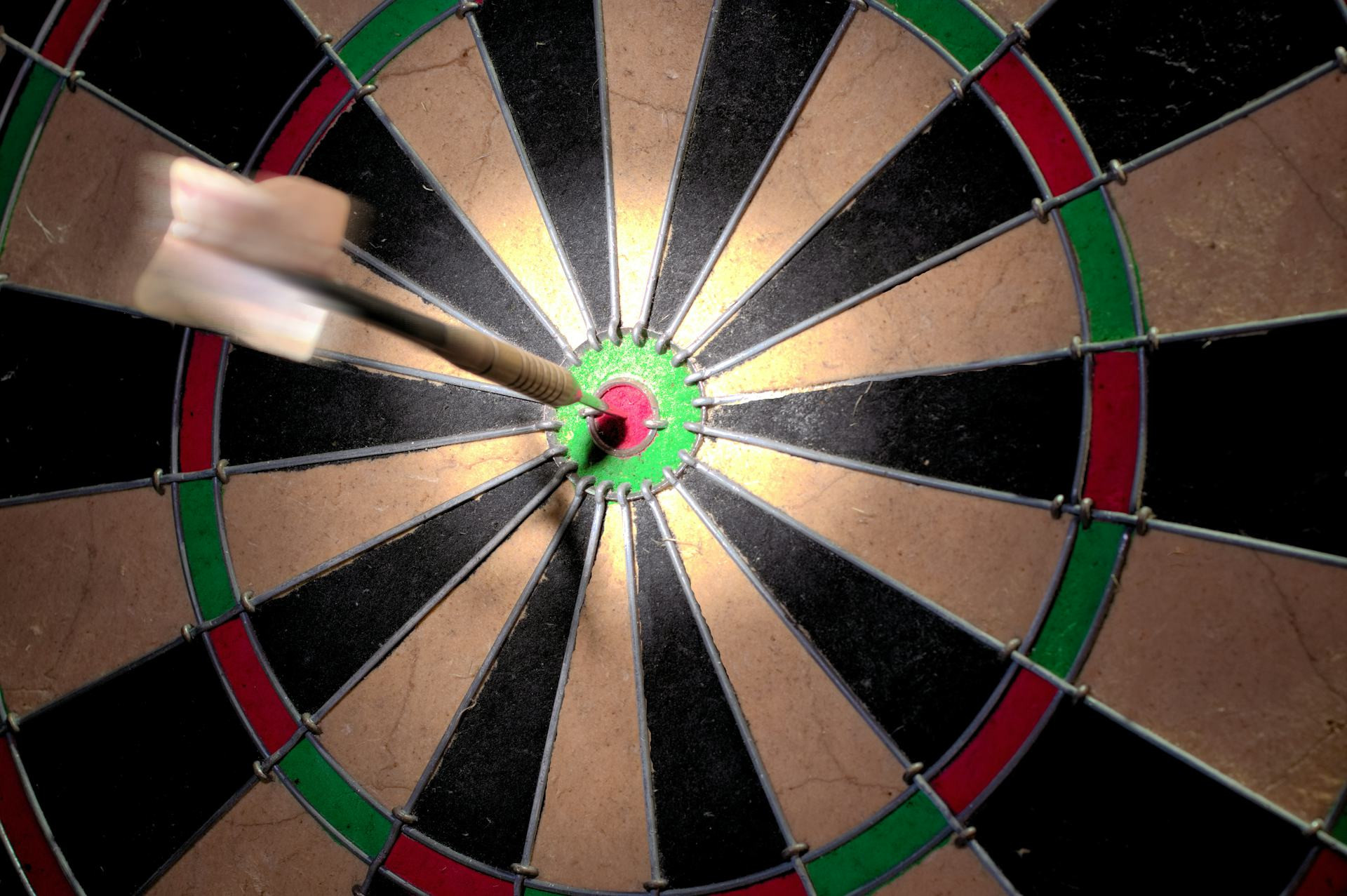
Practice Makes Perfect: Muscle Memory as the Key to Precise Dart Technique
When a dart player hits the bullseye again and again, it can look almost effortless—like magic. But behind that precision lies no luck at all. It’s muscle memory. Through repetition, rhythm, and small adjustments over time, the body learns to perform the throw with near-automatic accuracy. In this article, we’ll explore how muscle memory works and how you can use it to sharpen your dart technique.
What Is Muscle Memory?
Muscle memory is your body’s ability to remember movements through repetition. Each time you repeat a motion, your brain and nervous system strengthen the neural pathways that control it. Over time, the movement becomes smoother, faster, and more precise. Eventually, you don’t have to consciously think about how to throw—the body simply knows what to do.
In darts, this means developing a consistent and repeatable motion. Every throw trains not just your arm, but your entire body’s coordination—from your stance and balance to your wrist and finger release. The more consistent your movement becomes, the more reliable your accuracy will be.
Repetition—with Awareness
Simply throwing thousands of darts isn’t enough. Repetition must be mindful and deliberate. If you repeat a flawed motion, you’re only reinforcing a bad habit. That’s why it’s important to make small corrections and stay aware of how your body feels during each throw.
A helpful approach is to break the throw into phases: setup, aim, release, and follow-through. Practice each part separately, then work on blending them into one smooth motion. Recording your throws on video can also be eye-opening—it helps you spot subtle inconsistencies you might not feel in the moment.
Routines Build Calm
The best dart players have pre-throw routines they follow every time. It might be a specific number of breaths, a way of setting their feet, or a small arm movement before the throw. These rituals help the brain find the same mental and physical state for each shot.
Once your routine becomes second nature, nerves and distractions fade. You can focus on the target instead of the mechanics of the throw. This is where muscle memory truly shines—when the body takes over and the mind stays calm.
Læs også:

Variety and Rest—Keys to Growth
While repetition is essential, training shouldn’t become mechanical. Adding variety keeps your brain engaged and prevents stagnation. Try changing your distance, target area, or throwing tempo. These variations challenge your coordination and make your muscle memory more adaptable.
Rest is just as important as practice. During breaks, your brain consolidates what you’ve learned, strengthening the neural connections that support your technique. Short, focused practice sessions with regular rest periods often lead to better results than long, exhausting ones.
From Technique to Confidence
Once muscle memory is established, your technique becomes part of you. You no longer have to think about how to throw—you just do it. That sense of control and confidence is crucial in competition.
Many professional players describe this as being “in the zone”—a mental state where everything feels natural and the throw flows effortlessly. That state doesn’t appear by chance; it’s built through countless repetitions where body and mind learn to work in harmony.
Repetition as the Path to Precision
Muscle memory isn’t just for professionals—it’s for anyone who wants to improve. Whether you play casually at home or compete in local leagues, you can benefit from training with focus on repetition, rhythm, and awareness. Over time, you’ll notice your body taking over and your accuracy improving naturally.
So next time you step up to the dartboard, remember: every throw is an investment in your muscle memory. Practice makes perfect—and in darts, perfection is what hits the mark.
Læs også: