Predict Peak Form: Which Riders Hit Their Best at the Right Time?
Predict Peak Form: Which Riders Hit Their Best at the Right Time?
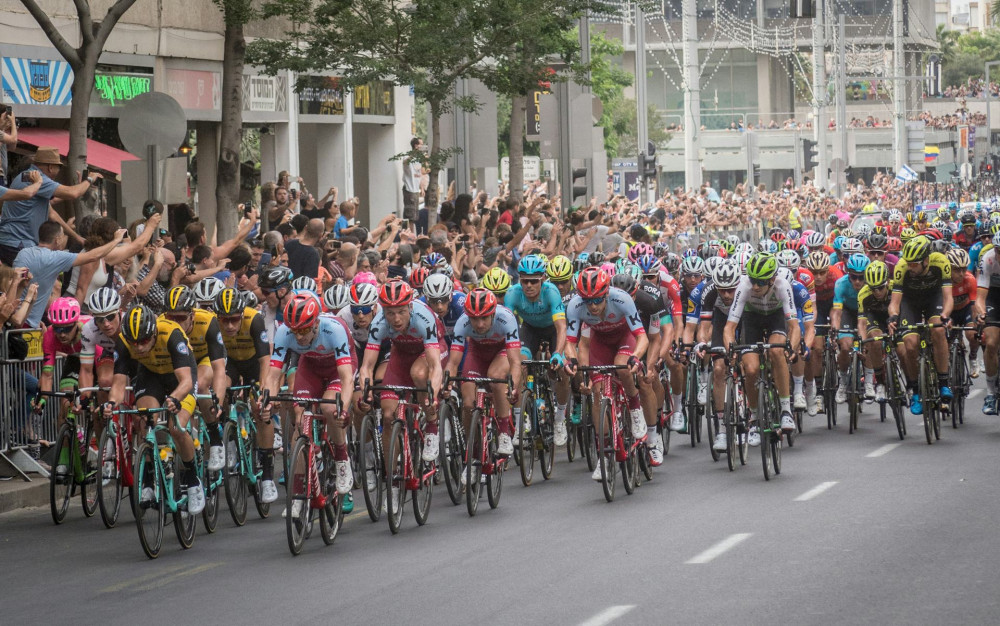
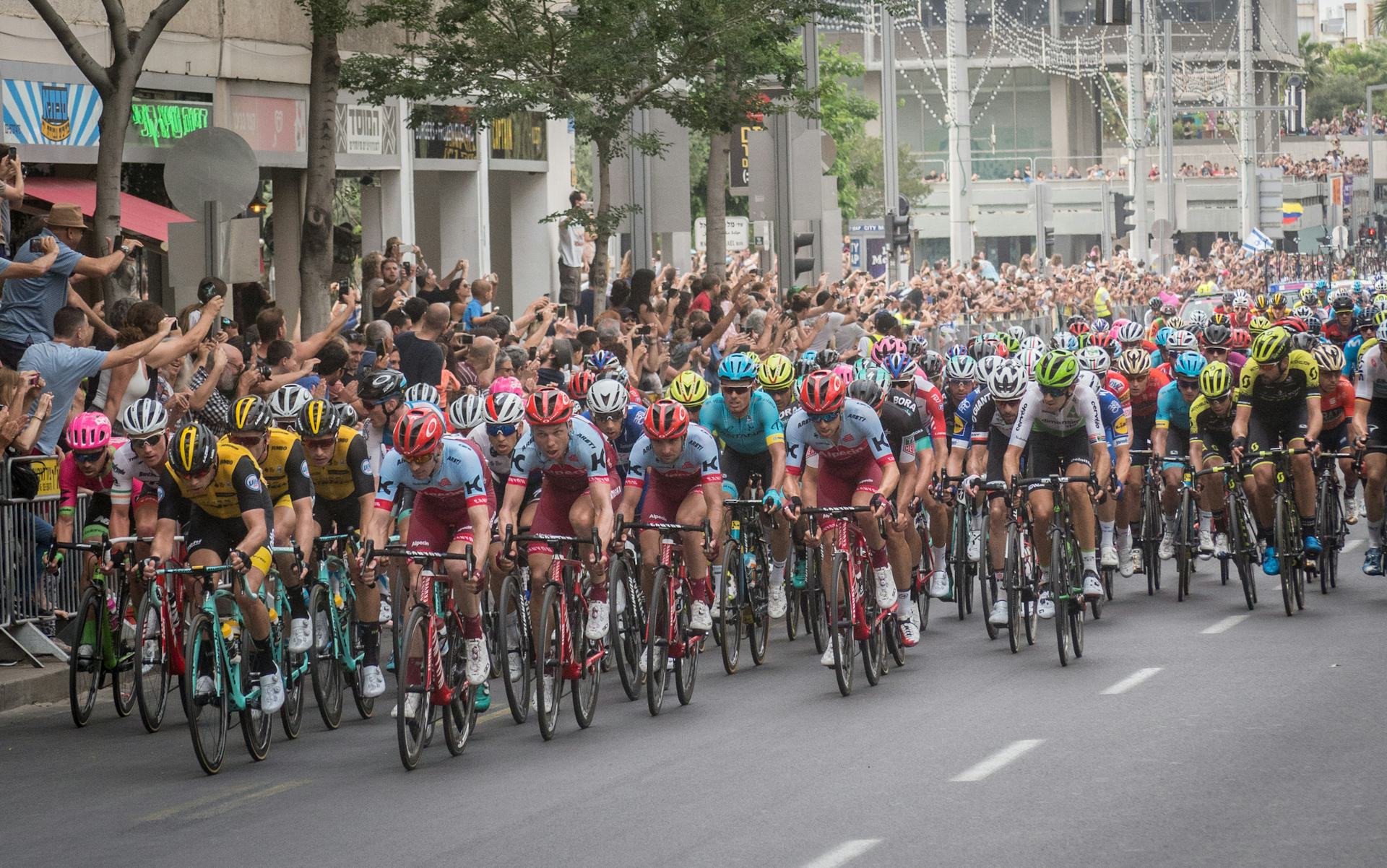
In professional cycling, success isn’t just about raw power or relentless training—it’s about timing. Hitting peak form at the perfect moment can mean the difference between a quiet top‑20 finish and a career‑defining victory. But how can we predict when a rider will reach their absolute best? And what can fans, analysts, and even bettors learn from understanding the rhythm of a rider’s season?
The Science and Strategy Behind Peak Form
No cyclist can maintain top condition all year long. The human body can only sustain its highest performance level for short periods—usually two or three times per season. That’s why riders and coaches plan their training blocks around key goals, whether it’s the Spring Classics, the Giro d’Italia, the Tour de France, or the World Championships.
The process unfolds in phases: base training, build, and finally, the peak. Each stage adjusts volume, intensity, and recovery to ensure the body and mind align perfectly when it matters most. The art lies in balancing fatigue and freshness—arriving sharp, not overcooked.
Data‑Driven Performance: From Power Meters to Sleep Metrics
Gone are the days when intuition alone guided a rider’s form. Modern cycling is steeped in data. Coaches monitor power output, heart rate variability, recovery scores, and even sleep quality to forecast when a rider is ready to perform at their best.
For fans and analysts, publicly available data can offer valuable clues. A rider steadily increasing their average power in training and races—but not yet showing explosive results—might be building toward a breakthrough. Conversely, a sudden spike in performance early in the season can sometimes signal a premature peak.
Reading the Race Calendar
A rider’s schedule often reveals their strategy. Many use smaller stage races or one‑day events as tune‑ups for bigger goals. When a rider starts appearing near the front in finales without necessarily winning, it’s often a sign that form is rising but not yet at its summit.
On the other hand, those who dominate early may struggle to sustain that level through the summer. The best teams manage this balance carefully, ensuring their leaders are flying when the marquee races arrive.
Læs også:
The Mental Edge
Peak form isn’t purely physical. Confidence, motivation, and mental clarity play crucial roles. A rider who feels supported by their team, has clear objectives, and senses progress can often outperform expectations—even if the numbers don’t yet show a peak.
That’s why we sometimes see surprise performances in Grand Tours: a rider catches a wave of belief and momentum that carries them beyond what data alone could predict. It’s intangible, but unmistakable when it happens.
What It Means for Analysis and Betting
For those who follow cycling closely—or wager on it—understanding form cycles can be a powerful tool. Instead of focusing solely on past results, it pays to study trends: where riders have raced, how they’ve performed relative to expectations, and what’s coming next on their calendar.
Take a rider who uses the Critérium du Dauphiné or Tour de Suisse as preparation for the Tour de France. If they’re consistent but not dominant, that restraint might signal they’re saving their top gear for July. Spotting those patterns can give analysts and fans a valuable edge.
The Art of Reading the Invisible
Predicting peak form is part science, part experience, and part intuition. No model can capture every variable, but by combining data, race schedules, and observation, we can get remarkably close.
For the riders, it’s about finding that one day—or that one three‑week stretch—when everything clicks. For the rest of us, it’s about recognizing when that moment is coming. In a sport defined by timing, understanding form is the key to seeing the future before it happens.
Læs også: