Weather and Terrain: How Live Betting Is Affected During a Cycling Race

Weather and Terrain: How Live Betting Is Affected During a Cycling Race
When a cycling race unfolds, it’s not just the riders’ form and tactics that determine the outcome. Weather and terrain play a decisive role — both for the athletes on the road and for those following the action through live betting markets. Understanding how wind, rain, temperature, and elevation shape the race dynamics can make the difference between an informed wager and a blind guess.
The Wind – The Invisible Opponent
Wind is one of the most influential factors in cycling. A strong headwind can slow down breakaways and favor the peloton, while a tailwind can help riders in front maintain their lead. Crosswinds, however, are the most unpredictable — they can split the field into echelons and create large time gaps in just a few miles.
For live betting, this means odds can shift dramatically when the wind changes direction or intensity. A bettor who follows the race closely and knows the route can take advantage of these moments. If a team of strong time trialists moves to the front in a crosswind section, it might signal that a breakaway is about to be reeled in — and that the favorites are taking control.
Rain and Slippery Roads – Risk and Opportunity
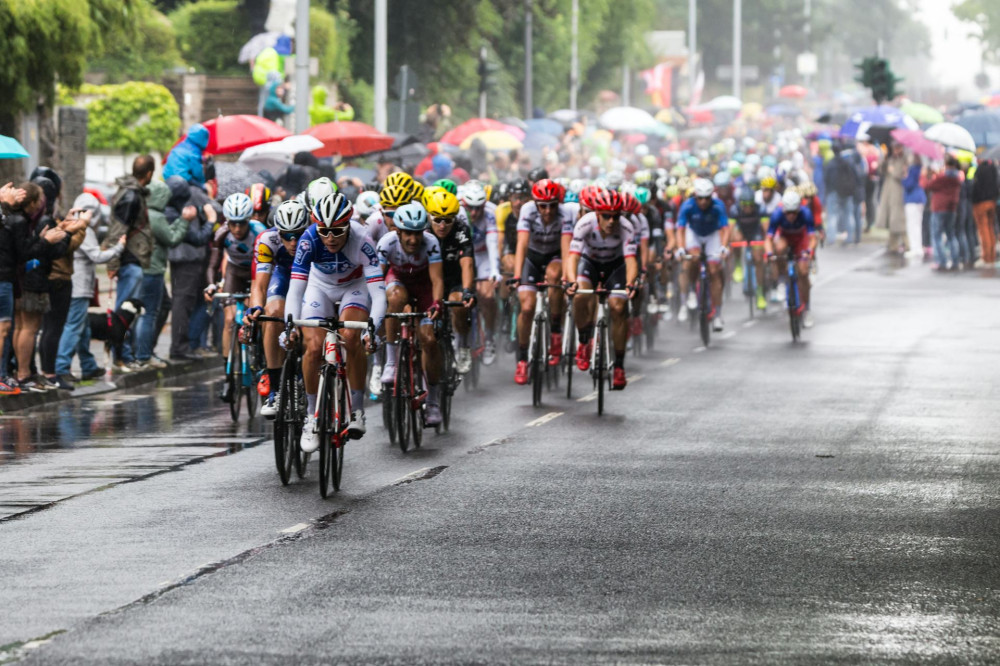
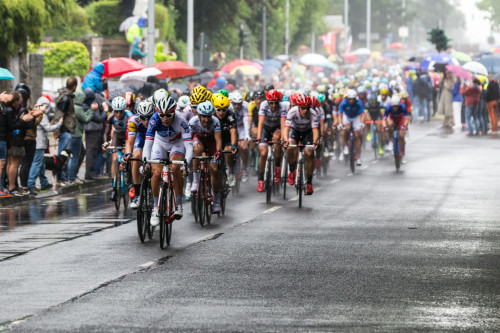
Rain changes everything. Wet roads make corners and descents treacherous, forcing riders to take fewer risks. This can lead to crashes but also to tactical reshuffling. Some riders thrive in wet conditions, while others become more cautious.
For live betting, rain can open the door for outsiders. A technically skilled team might exploit the chaos, while favorites could choose to ride defensively. When the rain starts falling, it might be time to consider betting on riders known for handling slippery conditions — such as classics specialists with experience on cobblestones or rough terrain.
Læs også:
Temperature and Altitude – The Body’s Hidden Enemies
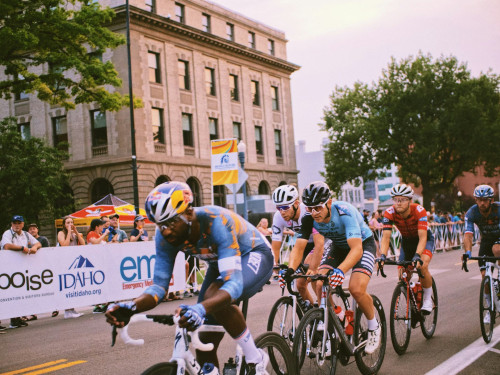
Extreme heat or cold can have a major impact on performance. In hot races like stages of the Tour of California or the summer legs of the Tour de France, dehydration and overheating can sap energy. Conversely, cold mountain stages in races like the Colorado Classic can cause riders to stiffen up and lose power.
Live betting under such conditions requires knowledge of each rider’s history. Some perform best in heat, others in cooler weather. If a favorite starts showing signs of fatigue in the heat, it might be a signal to adjust your bets — especially on stages where breakaways have a better chance of surviving to the finish.
The Terrain – Where the Race Takes Shape
Terrain is the foundation of every race. Flat stages favor sprinters, rolling routes give punchy riders a chance, and the mountains are where general classification contenders shine. But in live betting, it’s not just about the type of stage — it’s about when and how riders respond to the terrain.
An early breakaway on a mountain stage might seem doomed, but if the favorites hesitate, it can suddenly become realistic. Conversely, a seemingly calm flat stage can explode if the wind picks up. Watching how teams position themselves in the peloton provides valuable clues about how the terrain is being used tactically.
Technology and Data – Tools for Quick Decisions
Today, both riders and viewers have access to detailed data: power output, GPS tracking, and live telemetry. For live betting, this means the ability to react quickly to changes in the race. If a rider suddenly loses contact on a climb, it could be a sign of trouble — and the odds will often shift in real time.
But technology can’t predict everything. A sudden rain shower, a puncture, or a tactical alliance between teams can turn the race upside down. That’s why intuition and experience remain essential tools for anyone trying to read the rhythm of the race.
The Interaction Between Nature and Strategy
Cycling is, at its core, a battle between human, machine, and nature. For the riders, it’s about adapting to the conditions — for the live bettor, it’s about interpreting them. Weather and terrain create unpredictability, but also opportunity for those who follow closely and understand the dynamics.
Live betting during a cycling race requires more than luck. It demands insight into how the forces of nature affect the riders — and the ability to act when the wind changes.
Læs også: